
What Americans Should Know Before Crossing Into Mexico by Land

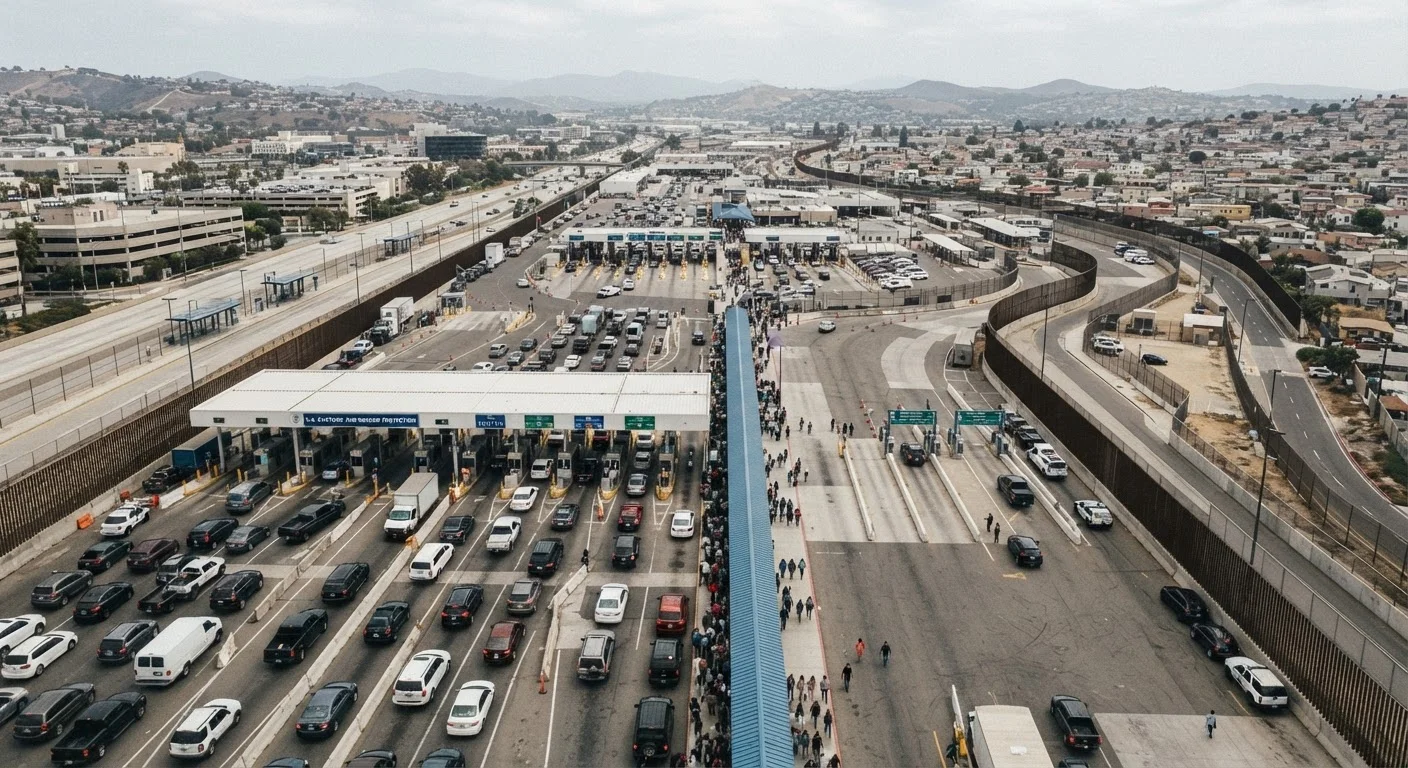
Photo: AnswersVista.com | Trustworthy Information Every Day editorial
Key Takeaways
- A valid U.S. passport book or passport card is required for re-entry into the United States.
- Driving into Mexico beyond the border zone requires a Temporary Vehicle Import Permit (TIP) and a deposit.
- Wait times at major crossings can exceed two hours, especially on weekends and holidays — northbound waits tend to be longer.
- Most crossings accept pesos and dollars, but exchanging currency before or just after crossing often yields better rates.
- Check official government travel advisories for your specific destination region before finalizing plans.
Documents You'll Need at the Border
Every American crossing into Mexico by land should carry a valid U.S. passport book or passport card — not just for entry into Mexico, but for re-entry into the United States. An Enhanced Driver's License (EDL) issued by certain U.S. states is also accepted for land and sea crossings back into the U.S., but it does not replace a passport for air travel.
On the Mexican side, immigration officials will ask you to complete a tourist card (FMM — Forma Migratoria Múltiple) if you're traveling beyond the border zone or staying more than a few days. In many cases this process is now handled electronically, but paper forms still exist at some crossings. Keep your copy: you'll need to surrender it when you leave Mexico.
For a broader primer on international travel documents, see our First-Timer's Guide to Planning International Travel from the U.S..
Carry Physical Copies of Key Documents
Driving Your Vehicle Into Mexico
If you plan to drive beyond Mexico's border zone — which varies by region but is roughly 25 to 75 kilometers from the crossing — you'll need a Temporary Vehicle Import Permit (TIP). This permit is issued by Banjército and requires a refundable deposit (charged to your credit or debit card) tied to your vehicle's value. You must cancel the permit before permanently leaving Mexico or you'll forfeit the deposit.
Before you reach the border, secure a separate Mexican auto insurance policy. U.S. policies do not cover you south of the border in the event of an accident, and driving uninsured in Mexico carries serious legal consequences.
Vehicles registered to someone other than the driver — a spouse, employer, or leasing company — require a notarized letter of authorization. Rental cars from U.S. companies are typically not permitted to cross unless the rental agreement explicitly allows it.
48
U.S.–Mexico land ports of entry
According to U.S. Customs and Border Protection, there are 48 land ports of entry along the nearly 2,000-mile U.S.-Mexico border.
$10,000
Cash declaration threshold at the border
Both U.S. and Mexican law require travelers to declare cash or monetary instruments exceeding $10,000 USD when crossing an international border.
2–3 hrs
Typical northbound peak wait at major crossings
CBP real-time data frequently shows northbound vehicle wait times of two to three hours at high-traffic ports like San Ysidro and El Paso on weekend afternoons.
Border Wait Times and Crossing Strategy
Crossing from Mexico back into the United States is where most travelers lose time. Northbound wait times at high-traffic crossings — San Ysidro (San Diego), El Paso, and Laredo — can stretch two to three hours on weekend afternoons and around major U.S. holidays.
A few strategies help: CBP publishes real-time wait times at every land port through its website and the CBPOne app, so you can plan your return window. Trusted Traveler programs like SENTRI provide dedicated lanes for pre-approved travelers and can cut crossing times significantly for frequent visitors. Pedestrian lanes are often faster than vehicle lanes for short day trips to border towns.
Southbound entry into Mexico is typically quick — most travelers clear Mexican customs in under 30 minutes — but be prepared for a random customs inspection triggered by a stoplight system: green means go, red means your vehicle or bags are inspected.
Money, Safety, and What to Declare
Mexican pesos are the practical currency once you're past the border zone. While dollars are widely accepted in tourist-heavy border towns, you'll generally get better value paying in pesos. ATMs on the Mexican side of major crossings are widely available, though exchange rates at airport-style kiosks tend to be less favorable than bank ATMs in town.
Both the U.S. and Mexico require you to declare cash or monetary instruments exceeding $10,000 USD (or its equivalent) when crossing. Undeclared amounts above this threshold can be seized.
On safety: conditions vary sharply by region. The U.S. State Department maintains travel advisories by Mexican state — some areas carry Level 1 (Exercise Normal Precautions) ratings while others are Level 4 (Do Not Travel). Check the advisory for your specific destination at travel.state.gov before you go. Our guide to overlooked trip planning details covers how to factor advisories into your overall planning.
Before your departure, use our international travel pre-trip checklist to make sure documents, insurance, and emergency contacts are all in order.
Travel Advisories Can Change Quickly
Frequently Asked Questions
The content provided on our blog site traverses numerous categories, offering readers valuable and practical information. Readers can use the editorial team’s research and data to gain more insights into their topics of interest. However, they are requested not to treat the articles as conclusive. The website team cannot be held responsible for differences in data or inaccuracies found across other platforms. Please also note that the site might also miss out on various schemes and offers available that the readers may find more beneficial than the ones we cover.