
The Science Behind Packing Light: Why Less Really Is More

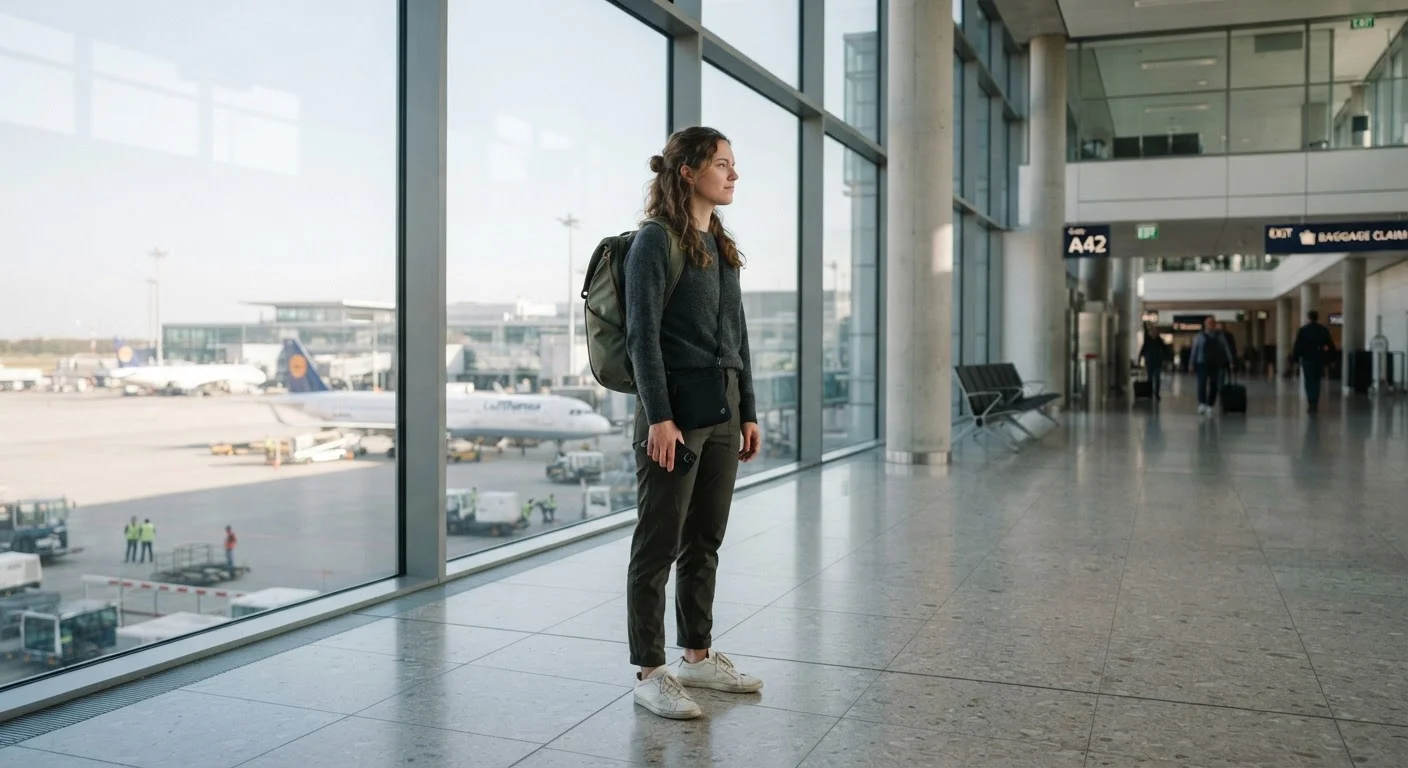
Photo: AnswersVista.com | Trustworthy Information Every Day editorial
Key Takeaways
- Overpacking is a cognitive habit driven by anxiety and worst-case thinking, not genuine need.
- Studies on decision-making show that more choices — including clothing options — can reduce satisfaction.
- Travelers who pack light consistently report less stress and greater flexibility during trips.
- A structured packing method, not willpower alone, is what makes lighter packing sustainable.
- Most items travelers pack 'just in case' are never used on the trip.
Why Our Brains Tell Us to Pack More Than We Need
Overpacking isn't a willpower problem — it's a cognitive one. When you mentally rehearse a trip before leaving, your brain is very good at generating scenarios: what if it rains? What if there's a fancy dinner? What if the airline loses a bag? Each imagined scenario prompts a response: pack the umbrella, the dress shoes, the backup outfit. Multiply that pattern across an entire trip's worth of possibilities and you end up with a suitcase built for contingencies that rarely materialize.
Psychologists refer to this tendency as outcome simulation bias — we overestimate the likelihood of unlikely events when we can easily picture them. It's the same mechanism that makes you double-check the stove before a flight. The difference is, a stove check costs you nothing. Packing for imagined emergencies costs you real weight, real bag fees, and real physical effort across every transit point of your trip.
Common packing myths compound the problem. The belief that a bigger bag means better preparation is widely held and consistently wrong. Most travelers use a fraction of what they bring.
Packing Light Looks Different for Every Trip
The Cognitive Cost of Too Many Choices
Behavioral research on decision-making — including the widely cited work of psychologist Barry Schwartz on the 'paradox of choice' — suggests that having more options doesn't consistently make us happier. It often makes us less satisfied, because more options increase the mental effort required to choose and raise the benchmark against which we judge our final decision.
This applies directly to packing. Bringing eight shirt options for a five-day trip doesn't make getting dressed easier — it makes it harder. Travelers who limit their wardrobe options frequently report that they spend less mental energy on daily clothing decisions, leaving more cognitive bandwidth for the actual experience of travel.
This also connects to a broader pattern documented in the research on clutter and cognitive load: managing more physical objects — even just visually — creates a measurable drag on attention and mood. A crowded suitcase that you're digging through daily is a small but real source of friction.
Try the 'Remove Three Items' Rule
What Lighter Packing Actually Looks Like in Practice
The practical mechanics of packing light come down to a few consistent principles, none of which require extreme sacrifice.
- Choose versatile clothing over specialized outfits. Items that can be worn in multiple contexts — neutral colors, simple silhouettes — dramatically reduce how many pieces you need.
- Plan around laundry, not around avoiding it. Even one mid-trip laundry cycle changes your packing math entirely. A week-long trip with laundry access requires roughly three to four days of clothing, not seven.
- Apply a 'per-day weight' mindset. Experienced light packers often think in terms of how much their bag will weigh per day of travel — a useful check on creeping additions.
- Limit shoes to two pairs maximum. Shoes are among the heaviest and bulkiest items travelers consistently overpack. One walking/casual pair and one context-specific pair (formal or activity-specific) covers most trips.
For organizing what you do bring, packing cubes can make a real difference in maintaining order and finding items quickly — though they don't substitute for packing less in the first place.
It's also worth thinking through the broader logistics decision: carry-on versus checked bags each come with distinct trade-offs that interact directly with how light you pack.
The Cumulative Payoff Over a Full Trip
The case for packing light isn't just philosophical — it has concrete, compounding benefits across a multi-day trip. You skip bag-check lines. You board and deplane faster. You navigate public transit, cobblestone streets, and stairs without managing extra weight. You don't wait at baggage claim. If your plans change, you can move more easily.
Travelers who've made the switch consistently report that the benefits feel disproportionate to the adjustment required. Bringing less is a skill that compounds: each trip where you realize you didn't use something makes the next trip's packing decisions easier.
If you regularly find your bag too full on the return journey, that's a useful signal about how you're packing on the way out — understanding why return bags overflow is its own practical puzzle worth solving before your next departure.
Ultimately, packing light is less about restriction and more about front-loading the decision-making so the trip itself runs smoother. The discomfort is in the edit before you leave, not in the experience once you're there.
Frequently Asked Questions
The content provided on our blog site traverses numerous categories, offering readers valuable and practical information. Readers can use the editorial team’s research and data to gain more insights into their topics of interest. However, they are requested not to treat the articles as conclusive. The website team cannot be held responsible for differences in data or inaccuracies found across other platforms. Please also note that the site might also miss out on various schemes and offers available that the readers may find more beneficial than the ones we cover.