
Seasonal Car Care: Preparing for Extreme Weather

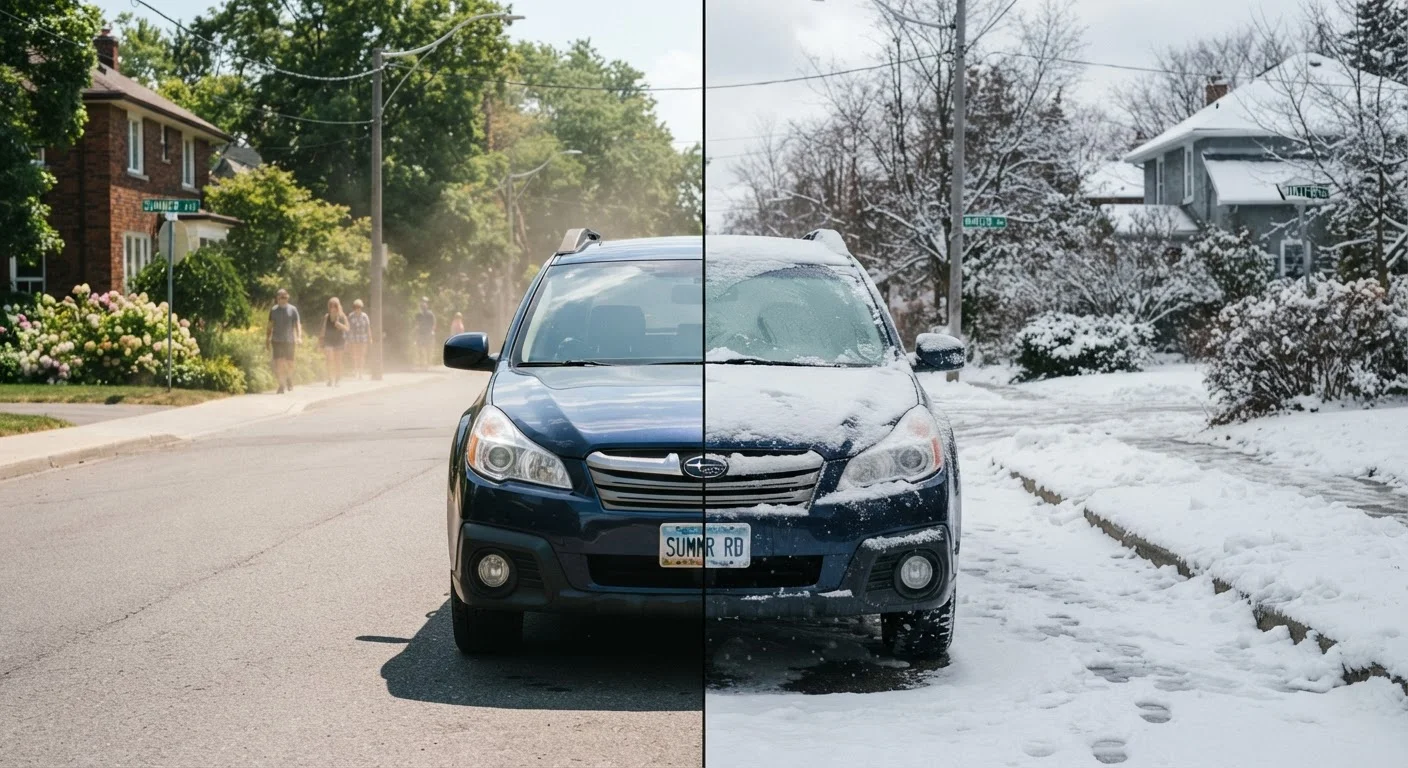
Photo: AnswersVista.com | Trustworthy Information Every Day editorial
Key Takeaways
- Temperature extremes stress batteries, tires, fluids, and cooling systems more than any other driving conditions.
- Inspecting your vehicle two to four weeks before a seasonal shift gives you time to address issues before they become emergencies.
- Many seasonal checks are visual or tactile and require no special tools - they take minutes and can prevent costly repairs.
- A failing battery, worn tires, or low coolant are among the most common causes of weather-related breakdowns.
- When in doubt about a system's condition, have a qualified mechanic inspect it rather than assuming it's fine.
Why Seasonal Preparation Matters More Than You Think
Most vehicle breakdowns are not random - they're predictable. Batteries fail in the cold. Tires blow in the heat. Cooling systems give out during the hottest week of summer. The common thread is that these failures usually have warning signs that go unnoticed until the season changes and the pressure is on.
Preparing your vehicle two to four weeks before a season shifts gives you something invaluable: time. Time to get a part ordered, time to book a mechanic appointment, and time to avoid the exact moment when every shop in your area is swamped with weather-related repairs. Whether you're bracing for a Southern summer or a Northern winter, the same principle applies - address vulnerabilities before the stress arrives, not after.
For a broader view of what vehicle upkeep actually involves throughout the year, this complete owner's roadmap covers every major system from first oil change to long-term reliability planning. If budget is a concern, car maintenance on a tight budget explains how to prioritize without cutting corners on safety.
Don't Skip the Battery Before Winter
Coolant Neglect Causes Expensive Engine Damage
How to Use This Checklist
This checklist is divided into seven system groups covering the components most vulnerable to temperature extremes. Work through each group methodically - you don't need to be a mechanic to complete most items. Visual inspections, fluid level checks, and pressure readings require only basic tools and careful observation.
Items marked must are non-negotiable for safety and reliability. Items marked should are strongly recommended and often prevent the must-items from failing sooner. Nice-to-have items add an extra layer of preparedness that pays off in more extreme conditions.
Tire pressure gauge
Accurately measure PSI in each tire so you can adjust to the manufacturer's specification.
Tread depth gauge
Measure remaining tire tread to determine whether tires are safe for wet or winter driving.
Coolant test strips or hydrometer
Check the freeze-point protection of your antifreeze without draining the system.
Battery tester or voltmeter
Evaluate battery voltage and cold-cranking capacity before the season stresses it.
Headlight restoration kit
Polish and restore clarity to oxidized headlight lenses that reduce nighttime visibility.
Vehicle owner's manual
Reference manufacturer-specified fluid types, capacities, and service intervals for your exact vehicle.
Run this checklist before both summer and winter. Some items - like tires, brakes, and battery - are equally critical in both seasons. Others, like air conditioning and coolant hose integrity, are more pressing heading into summer, while wiper blades and winter emergency supplies matter most before the first freeze.
If your inspection reveals anything that looks worn, low, or uncertain, use that as a prompt to consult a qualified mechanic rather than a reason to wait. Our pre-road-trip vehicle check covers additional items worth reviewing before any extended drive.
Know When to Involve a Mechanic
The Seasonal Checklist
Work through each group below, noting any items that need attention. A quick notes column on a printed copy - or a note in your phone - makes it easy to track what you found and what still needs action.
Battery & Electrical
Tires
Fluids
Cooling System (Summer Focus)
Visibility & Lighting
Brakes & Belts
Emergency Preparedness
Once you've completed the checklist, keep a simple log of what was inspected and when. Many of these items won't need attention every season once they're in good shape - but knowing the last time you checked your coolant freeze protection or replaced your wiper blades removes the guesswork entirely.
Understanding what happens when cooling systems fail can also help you catch early warning signs. Why cars overheat and what's actually happening under the hood is a useful companion read if you want to understand what you're looking at when you inspect hoses and coolant levels. And for a full picture of what seasonal upkeep contributes to your total car ownership costs, the numbers may surprise you - preventive maintenance consistently costs less than reactive repair.
The content provided on our blog site traverses numerous categories, offering readers valuable and practical information. Readers can use the editorial team’s research and data to gain more insights into their topics of interest. However, they are requested not to treat the articles as conclusive. The website team cannot be held responsible for differences in data or inaccuracies found across other platforms. Please also note that the site might also miss out on various schemes and offers available that the readers may find more beneficial than the ones we cover.