
Why Cars Overheat - and What's Actually Happening Under the Hood

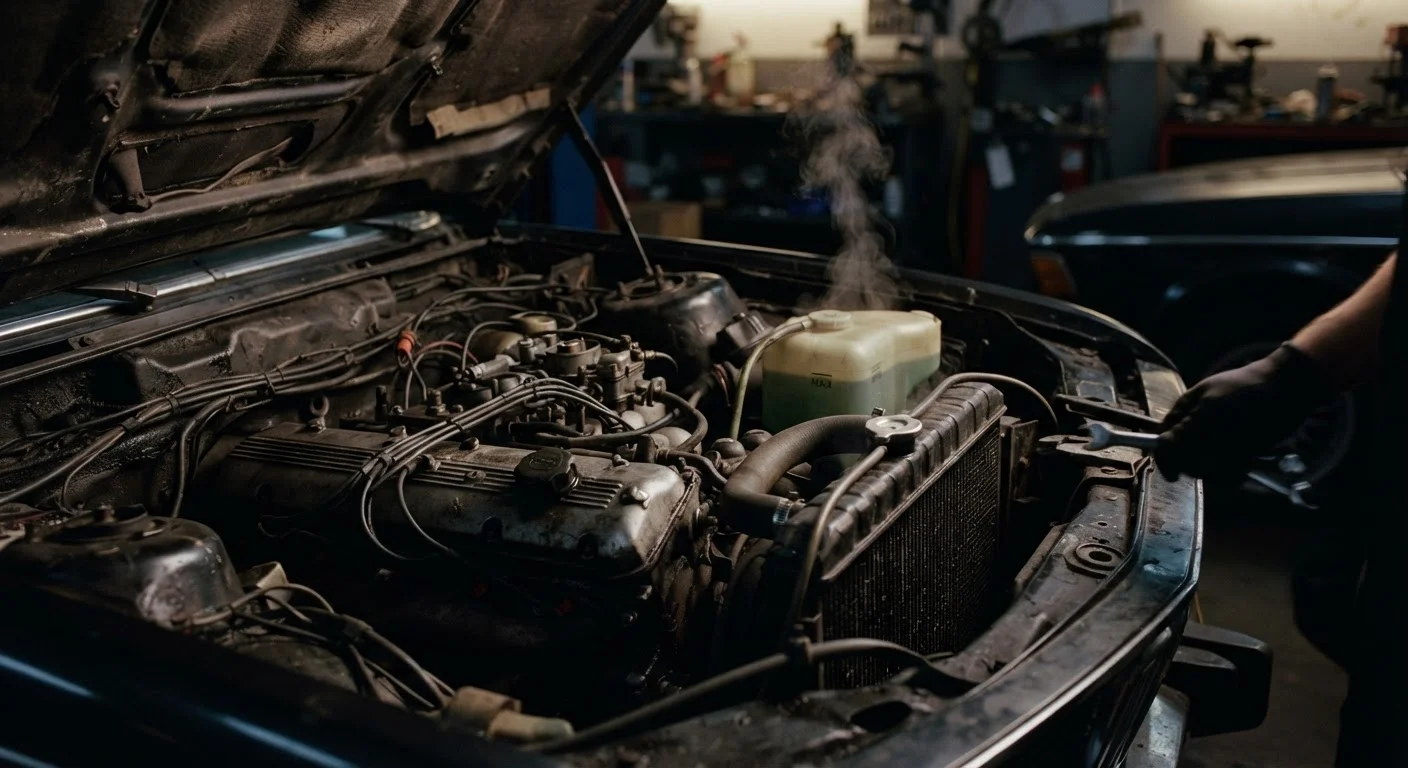
Photo: AnswersVista.com | Trustworthy Information Every Day editorial
Key Takeaways
- Your engine generates enormous heat that must be continuously removed by the cooling system.
- The radiator, water pump, thermostat, and coolant all play distinct roles in temperature control.
- Low coolant is the single most common cause of overheating and is easy to check regularly.
- A temperature warning light or rising gauge demands immediate attention - continuing to drive can destroy an engine.
- Many overheating causes are preventable with routine inspection and fluid maintenance.
How Your Engine Generates - and Manages - Heat
Every time your engine runs, it burns fuel inside its cylinders. That combustion process is remarkably hot - cylinder temperatures can briefly spike above 4,500°F. Only about 30% of that energy actually moves the car; the rest becomes waste heat that must be carried away before it damages metal, rubber, and plastic components throughout the engine bay.
Your cooling system handles this job through a continuous loop. A water pump circulates a mixture of water and coolant (also called antifreeze) through channels cast directly into the engine block and cylinder head. The fluid absorbs heat from the metal, travels to the radiator at the front of the vehicle, and releases that heat into the passing airflow. The cooled fluid then cycles back to start again.
A small but critical device called the thermostat regulates this loop. When the engine is cold, the thermostat stays closed to let the engine warm up quickly to its efficient operating temperature. Once that threshold is reached, it opens to allow full coolant circulation. A thermostat stuck closed is a classic cause of sudden overheating.
The Most Common Reasons Engines Overheat
Overheating is rarely random - it almost always traces back to a specific failure point in the cooling system.
~30%
Engine fuel energy converted to motion
The remaining energy from combustion becomes heat that the cooling system must continuously manage to protect the engine.
195-215°F
Normal engine operating temperature range
Most modern gasoline engines are designed to run within this window; temperatures above 240°F can begin causing component damage.
30,000-50,000 mi
Typical coolant flush interval
General industry guidance suggests this range for most vehicles, though manufacturer specifications in the owner's manual always take precedence.
- Low or depleted coolant: The most frequent culprit. Coolant leaks through hose cracks, a failed water pump seal, or a compromised radiator. Even a slow drip, left unchecked, can drop the fluid level enough to cause overheating. See our guide to checking and topping off fluids to learn how to monitor coolant level safely.
- Failed water pump: The pump is driven by a belt and can develop bearing wear or a cracked impeller over time, reducing or stopping coolant circulation entirely.
- Clogged or damaged radiator: Road debris, corrosion, or scale buildup inside the radiator restricts flow and reduces heat dissipation.
- Blown head gasket: This seal between the cylinder head and engine block can fail, allowing combustion gases into the coolant passages - producing overheating, white exhaust smoke, and coolant loss with no visible external leak.
- Broken or slipping cooling fan: Electric fans and belt-driven fans keep air flowing through the radiator at low speeds and idle. A fan that stops working causes overheating in traffic even when the coolant level is fine.
Check Coolant Level When the Engine Is Cold
High-mileage vehicles face compounding risk as hoses, seals, and the water pump age simultaneously. Our article on keeping a high-mileage car reliable covers how to stay ahead of these wear points.
Reading the Warning Signs Before Damage Occurs
Your vehicle gives you observable cues before temperatures reach a critical point. The temperature gauge on your dashboard climbs toward the red zone, or a dedicated engine temperature warning light illuminates. Either signal demands action - not a mental note to deal with it later. For a full breakdown of what dashboard indicators mean, see what your dashboard warning lights are actually telling you.
Other signs include steam or vapor rising from under the hood, a sweet or musty smell from the engine bay (escaping coolant), or a heater that suddenly blows cold air despite the engine being warm (a sign of low coolant level at the heater core).
“The cooling system is one of the most overlooked systems on a vehicle until something goes wrong. By the time an engine overheats visibly, there's already been damage you can't see.”
— Automotive Service Excellence (ASE) Training Materials, Industry technician certification program
Seasonal conditions amplify every weak point in a cooling system. Summer heat and stop-and-go driving are particularly hard on marginal systems. Reviewing a seasonal car care checklist before summer arrives is one of the most practical steps a driver can take to avoid a roadside breakdown.
Frequently Asked Questions
The content provided on our blog site traverses numerous categories, offering readers valuable and practical information. Readers can use the editorial team’s research and data to gain more insights into their topics of interest. However, they are requested not to treat the articles as conclusive. The website team cannot be held responsible for differences in data or inaccuracies found across other platforms. Please also note that the site might also miss out on various schemes and offers available that the readers may find more beneficial than the ones we cover.