
What Your Dashboard Warning Lights Are Actually Telling You

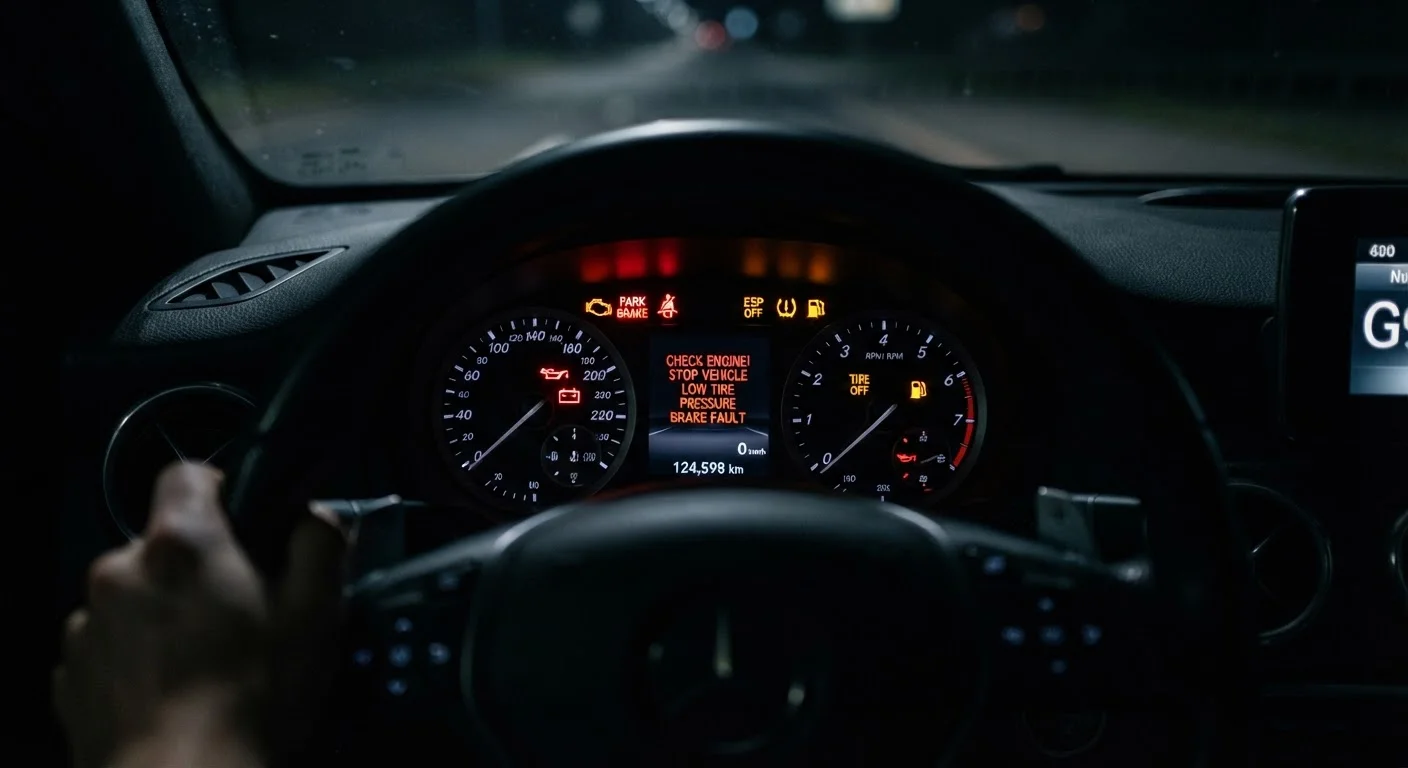
Photo: AnswersVista.com | Trustworthy Information Every Day editorial
Why Warning Lights Exist - and Why They Matter
Modern vehicles monitor dozens of systems simultaneously, from engine temperature to brake hydraulics. When a sensor detects a reading outside its acceptable range, it triggers a warning light on your instrument cluster. Think of it as your car's built-in communication system - one that speaks in symbols instead of words.
The challenge is that most drivers encounter these lights without context. A light that seems minor can signal an emerging problem, while one that looks alarming might be as simple as a loose gas cap. Understanding the difference helps you respond appropriately instead of either panicking or ignoring something serious. For a broader look at staying on top of your vehicle's health, see your car's maintenance schedule explained.
| Color: Red | Act immediately - stop driving if safe to do so |
| Color: Amber/Yellow | Service needed soon - monitor and schedule repair |
| Color: Green/Blue | Informational - system is active (e.g., high beams, turn signal) |
| Check Engine Light | Flashing = urgent; steady = schedule service |
| Most common trigger | Loose or missing gas cap (causes check engine light) |
| Diagnostic scan cost | Often free or low-cost at most shops |
The Lights You Need to Know - and How Urgently to Act
Dashboard lights are generally color-coded by urgency. Red means stop or act immediately. Amber/yellow means attention is needed soon. Green or blue are informational - systems that are simply active.
Malfunction Indicator Lamp (MIL)
The technical name for the check engine light. It illuminates when the vehicle's onboard diagnostic system detects a fault in the powertrain or emissions systems.
OBD-II Fault Code
A standardized alphanumeric code stored by your vehicle's computer when a sensor reports an out-of-range reading. A technician reads these codes with a scan tool to begin diagnosis.
TPMS
Tire Pressure Monitoring System. A sensor-based system required on U.S. vehicles since 2008 that alerts the driver when tire pressure drops significantly below the recommended level.
Instrument Cluster
The panel behind the steering wheel that houses gauges, indicator lights, and warning symbols. All dashboard warning lights are displayed here.
Red Lights: Pull Over or Stop
- Oil Pressure Warning: Low oil pressure can destroy an engine within minutes of driving. Pull over safely and shut off the engine. Do not continue driving until the cause is identified.
- Engine Temperature: An overheating engine risks severe, expensive damage. Stop driving, let the engine cool, and check coolant levels only after it has fully cooled.
- Brake System Warning: If this appears while driving (not just at startup), it may indicate low brake fluid or a hydraulic failure. Have it inspected immediately. Learn more about how your stopping system works in our guide to brake pads, rotors, and calipers.
- Battery/Charging System: Your alternator may have failed. The car is running on battery reserve only - you have limited time before it dies.
Amber Lights: Schedule Service Soon
- Check Engine Light (MIL): A steady light often indicates an emissions-related issue like a faulty oxygen sensor or loose gas cap. A flashing check engine light signals an active misfire - reduce speed and get service promptly.
- Tire Pressure (TPMS): One or more tires is significantly under- or over-inflated. Check pressures when tires are cold. See tire pressure and tread depth numbers every driver should know for the figures that matter.
- Traction Control / Stability Control: If illuminated while driving on dry roads, the system may have a fault. Flashing briefly during acceleration on slippery surfaces is normal.
- Transmission Temperature: Your transmission is running hotter than normal - often from towing or stop-and-go traffic. Reduce load and allow it to cool.
When to Drive to the Shop vs. Call a Tow
A useful rule: if the light is red or accompanied by abnormal sounds, smells, or vehicle behavior - stop driving. If the light is amber and the car feels normal, you can typically drive to a shop within a day or two, but don't postpone indefinitely.
Any warning light that stays on after restarting the engine warrants a diagnostic scan. Most shops can read fault codes quickly, often at no charge. A code alone doesn't tell the whole story, but it narrows the search considerably. For a deeper look at what a professional inspection covers, see what your mechanic sees that you don't.
Never assume a warning light resolved itself just because it turned off. Intermittent lights often indicate early-stage problems that become harder - and more expensive - to fix if left unaddressed. Keeping up with scheduled service is one of the most effective ways to prevent warning lights from appearing in the first place. Our reference on understanding your car's maintenance schedule explains why those intervals are set the way they are.
The content provided on our blog site traverses numerous categories, offering readers valuable and practical information. Readers can use the editorial team’s research and data to gain more insights into their topics of interest. However, they are requested not to treat the articles as conclusive. The website team cannot be held responsible for differences in data or inaccuracies found across other platforms. Please also note that the site might also miss out on various schemes and offers available that the readers may find more beneficial than the ones we cover.