
Tire Maintenance From the Ground Up

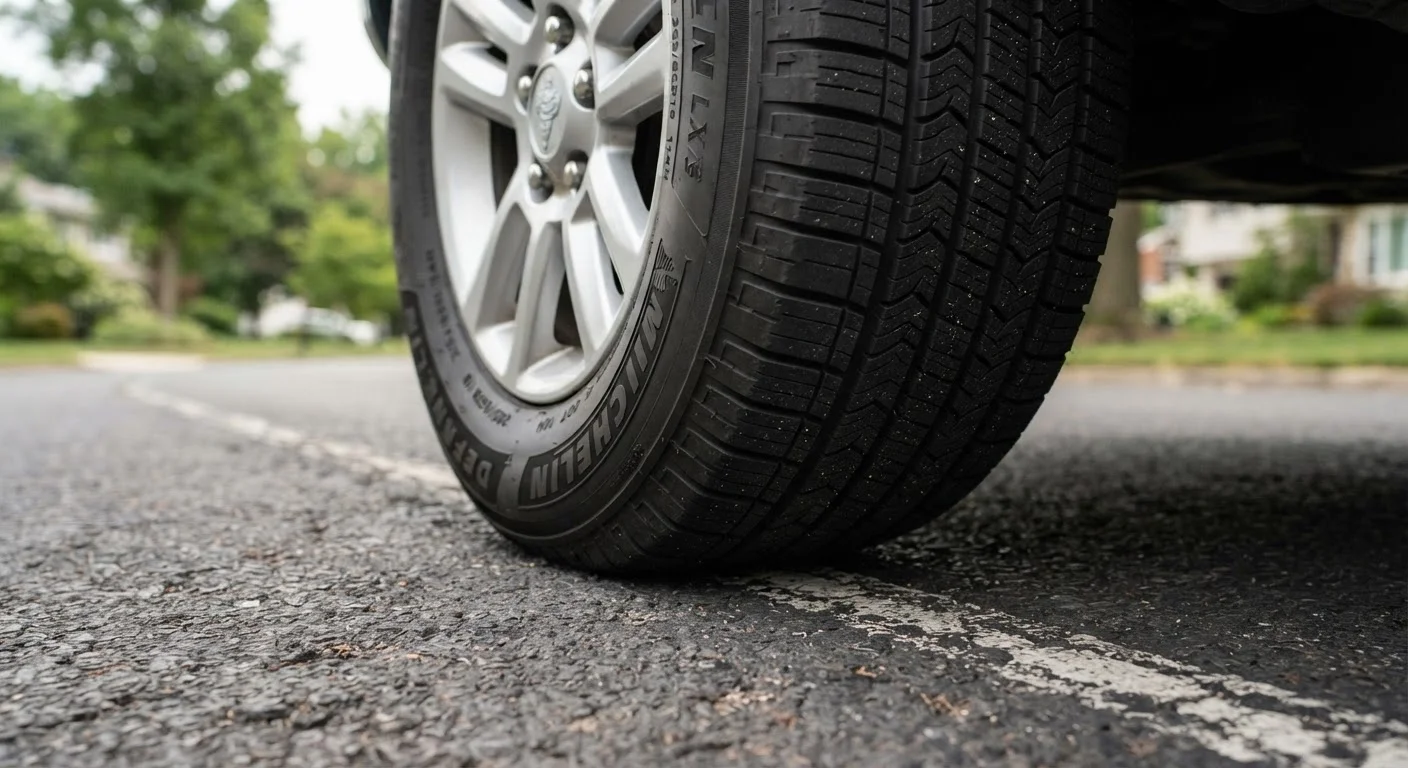
Photo: AnswersVista.com | Trustworthy Information Every Day editorial
Key Takeaways
- Check tire pressure at least once a month and always before long trips.
- The penny test is a quick way to gauge whether your tread is dangerously worn.
- Rotating tires every 5,000-7,500 miles evens out wear and extends their lifespan.
- Age matters - tires older than six years warrant a professional inspection regardless of appearance.
- Proper tire care directly reduces the risk of blowouts, poor fuel economy, and handling problems.
Why Tires Deserve Your Attention
Tires are your vehicle's only contact with the road. Every acceleration, braking input, and steering correction travels through four palm-sized patches of rubber. Despite this, tire maintenance is one of the most consistently neglected areas of routine car care - often until something goes wrong.
Neglected tires don't just wear out faster; they compromise braking distance, wet-weather handling, and fuel efficiency. A properly maintained set of tires can last tens of thousands of miles longer than a neglected one, and the cost of routine checks is trivial compared to the cost of an unplanned blowout or a premature replacement set. This guide is part of the broader complete owner's roadmap to vehicle upkeep - but tires are a great place to start because the basics are genuinely simple.
Tire Pressure: The Easiest Thing Drivers Overlook
Tire pressure is measured in PSI (pounds per square inch). The correct value for your vehicle is printed on a sticker inside the driver's door jamb - not on the tire sidewall, which lists the maximum allowable pressure, not the recommended operating pressure.
Check Pressure When Tires Are Cold
Underinflated tires flex more than designed, generating excess heat and wearing the outer edges of the tread faster. Overinflated tires reduce the contact patch with the road, wear the center of the tread prematurely, and deliver a harsher ride. Both conditions affect braking performance.
Most vehicles built after 2008 include a TPMS that triggers a dashboard warning when pressure drops significantly. However, relying on that light alone isn't enough - check pressure manually with a gauge at least once a month and whenever there's a significant temperature change.
Don't Rely Solely on Your TPMS Light
Tread Depth and When to Take It Seriously
Tread depth is what allows tires to channel water away from the contact patch on wet roads. As tread wears down, wet-weather stopping distances increase and the risk of hydroplaning rises.
The legal minimum tread depth in most U.S. states is 2/32 of an inch. The easiest field check is the penny test: insert a penny into a groove with Lincoln's head pointing into the tire. Visible top of Lincoln's head means the tread is at or below the legal minimum. For a more conservative threshold, use a quarter - if Washington's head is fully visible, you're below 4/32 inches and should start planning for replacement.
PSI
Pounds per square inch - the unit used to measure tire air pressure in the United States. Your owner's manual specifies the correct PSI for your tires.
Tread depth
The measurement of the grooves in a tire's surface. Deeper grooves channel water away and maintain grip; worn tread reduces traction, especially on wet roads.
Tire rotation
Moving tires from one wheel position to another on the same vehicle to even out wear, since front and rear tires wear at different rates depending on drivetrain and driving habits.
Sidewall
The vertical side surface of a tire, between the tread and the wheel rim. It displays size codes and pressure limits, and is vulnerable to cracking from age and UV exposure.
Wheel alignment
The adjustment of a vehicle's suspension angles so that tires make even, straight contact with the road. Poor alignment causes uneven tire wear and can affect steering.
TPMS
Tire Pressure Monitoring System - a sensor built into most vehicles sold after 2008 in the U.S. that alerts the driver when a tire's pressure falls significantly below the recommended level.
Uneven wear patterns often indicate a secondary problem. Wear concentrated on the outer or inner edges points to alignment or inflation issues; cupping or scalloping suggests worn suspension components. If you notice uneven wear, have a qualified mechanic inspect alignment and suspension before simply replacing the tires.
Tire Rotation: Why It Matters and How Often to Do It
Front and rear tires wear differently. On front-wheel-drive vehicles, the front tires handle steering, acceleration, and a majority of braking stress simultaneously, causing them to wear significantly faster. On rear-wheel-drive vehicles, the rear tires carry the acceleration load. Even all-wheel-drive systems distribute torque unevenly under different conditions.
Rotating tires - moving them from one axle or corner to another in a defined pattern - evens out this wear so that all four tires reach the end of their usable life at roughly the same time. Most manufacturers recommend rotation every 5,000 to 7,500 miles. Check your owner's manual for your vehicle's specific interval. Many drivers schedule rotations with every other oil change as a convenient reminder.
Note that some vehicles with staggered fitments - different tire sizes front and rear - cannot use a traditional rotation pattern. Your owner's manual or a qualified tire technician can clarify what's possible for your specific setup. Proper rotation is especially valuable if you're keeping a high-mileage car reliable and want to maximize every dollar spent on maintenance.
Knowing When a Tire Needs Replacing
Tread depth and visible damage are the most obvious signals, but age is an equally important factor that many drivers overlook. Rubber compounds degrade over time from heat, ozone, and UV exposure - even on tires that appear fine and have plenty of tread remaining.
Tire Age Matters Even Without Visible Wear
Beyond age, replace a tire immediately if you notice any of the following: sidewall bulges or bubbles (which indicate internal structural damage), deep cuts or punctures in the sidewall (sidewalls cannot be safely repaired), or extensive cracking across the tread or sidewall surface.
Punctures in the tread area may be repairable by a qualified tire technician - but only if the damage is limited to the central three-quarters of the tread and the puncture is no larger than 1/4 inch in diameter. Never attempt to assess or repair tire damage yourself without professional guidance; an improperly repaired tire is a safety hazard.
For drivers watching their vehicle budget closely, timing tire replacement proactively - before a tire fails - is almost always less expensive than an emergency replacement. See our guidance on car maintenance on a tight budget for strategies on planning ahead without overspending.
Frequently Asked Questions
The content provided on our blog site traverses numerous categories, offering readers valuable and practical information. Readers can use the editorial team’s research and data to gain more insights into their topics of interest. However, they are requested not to treat the articles as conclusive. The website team cannot be held responsible for differences in data or inaccuracies found across other platforms. Please also note that the site might also miss out on various schemes and offers available that the readers may find more beneficial than the ones we cover.