
Common Lawn Care Myths That Are Quietly Damaging Your Grass

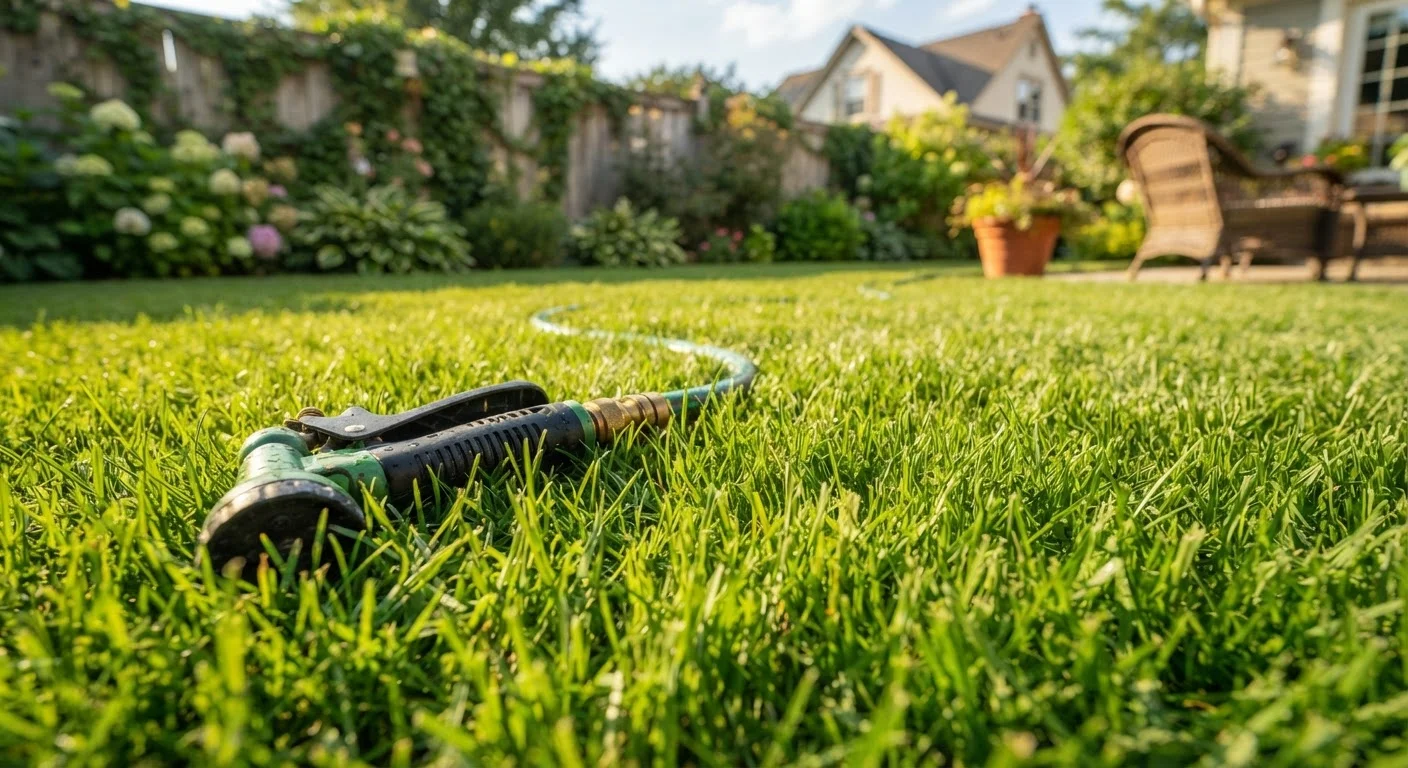
Photo: AnswersVista.com | Trustworthy Information Every Day editorial
Key Takeaways
- Cutting grass very short stresses roots and invites weeds - taller grass is generally healthier.
- Watering at night encourages fungal disease; early morning is the best time to water your lawn.
- Grass clippings left on the lawn return nutrients to the soil and do not cause thatch buildup.
- Fertilizing more often than needed can burn grass and pollute nearby waterways.
- Sand added to clay soil without proper amendment can worsen drainage rather than improve it.
Why Lawn Myths Spread So Easily
Lawn care advice gets passed down from neighbors, inherited from parents, and repeated so often it starts to feel like common knowledge. The problem is that some of the most widely shared tips are simply wrong - and following them year after year can quietly undermine the health of your grass without you ever connecting the cause to the effect.
This article works through the most persistent lawn care misconceptions and replaces them with what the evidence actually supports. Whether you're dealing with patchy turf, recurring weeds, or a lawn that never quite looks as good as you'd like, the culprit might be the advice you've been following all along. For a broader look at how to reduce the effort your yard demands without sacrificing results, see our low-maintenance landscaping guide.
Myth
Cutting the grass as short as possible saves time between mowings and keeps the lawn looking neat.
Fact
Scalping grass stresses the plant, depletes energy reserves, and creates ideal conditions for weeds to establish.
Each grass blade is a solar panel for the plant. When you remove too much of the blade at once - a practice sometimes called scalping - the grass diverts energy away from root development and toward emergency regrowth. This weakens the overall plant over time and thins the turf canopy, leaving bare patches where weeds can take hold.
Most turf specialists follow the one-third rule: never remove more than one-third of the grass blade in a single mowing. For many common lawn grasses, a cutting height of 3 to 4 inches produces a denser, more drought-resistant turf. Taller grass also shades the soil surface, reducing moisture evaporation and making it harder for weed seeds to germinate.
Myth
Leaving grass clippings on the lawn causes thatch and should always be bagged.
Fact
Grass clippings decompose quickly and return valuable nitrogen to the soil; they do not meaningfully contribute to thatch.
Thatch - the layer of dead stems, roots, and other organic material that accumulates at the soil surface - is primarily composed of lignin-rich plant tissues that break down slowly. Fresh grass clippings are mostly water and decompose within days, contributing little to thatch formation.
Leaving clippings in place, a practice known as grasscycling, can reduce your lawn's fertilizer needs noticeably over a season by returning nitrogen directly to the root zone. The caveat: if you wait too long between mowings and cut large clumps, those clumps can mat together and block sunlight. The solution is simply to mow more frequently rather than bag.
Myth
Watering your lawn in the evening is convenient and gives the grass more time to absorb moisture.
Fact
Evening watering leaves grass blades wet overnight, dramatically increasing the risk of fungal disease.
Fungal pathogens that cause common lawn diseases - such as brown patch and dollar spot - thrive in warm, moist conditions with limited air circulation. When you water at night, the grass stays wet for many hours without the benefit of sun and warmth to promote evaporation. This creates exactly the environment those pathogens need to spread.
Early morning is the optimal time to water. Moisture reaches the root zone before the heat of midday causes rapid evaporation, and the grass surface dries relatively quickly once the sun rises. If you use an irrigation system, programming it to run between roughly 6 and 10 a.m. is a straightforward adjustment with meaningful benefits.
Myth
Adding sand to clay soil will loosen it and improve drainage.
Fact
Adding small amounts of sand to clay soil without thorough amendment can actually make drainage worse, creating a concrete-like mixture.
Clay particles are extremely fine and pack tightly together. When a modest amount of sand is mixed in without also incorporating significant organic matter, the sand particles fill the spaces between clay particles rather than opening them up. The resulting mixture can be denser and harder than the original clay alone.
Improving clay soil genuinely requires repeated incorporation of organic matter - compost being the most practical option - over multiple seasons. This feeds soil microorganisms, improves structure, and gradually opens up the pore spaces that allow water and air to move through the root zone. Topdressing with compost annually is a more effective long-term strategy than attempting to change soil texture with sand. Our guide on mulch types covers how organic materials behave differently in garden and lawn settings.
Myth
Fertilizing more often will always produce a greener, healthier lawn.
Fact
Excess fertilizer - particularly nitrogen - can burn grass, promote disease, and harm local water quality.
Nitrogen drives the lush green color that most homeowners want, but more nitrogen than the grass can absorb at one time causes salt stress at the root level, visibly burning the turf. Beyond the immediate damage, excess nitrogen that isn't taken up by the plant leaches into groundwater or runs off into storm drains, contributing to algae blooms in nearby ponds and waterways.
A soil test - available through most county cooperative extension offices - tells you exactly what nutrients your lawn is deficient in before you apply anything. Following the test results and the recommended application rates for your specific grass type produces better outcomes than routine heavy feeding.
Getting Your Watering and Feeding Habits Right
Beyond mowing and thatch management, watering and fertilizing are the two areas where homeowners most often overdo or misdirect their efforts. More is rarely better with either one.
Fertilizer Timing Mistakes Can Cause Real Damage
Timing matters as much as volume when it comes to irrigation. Early morning watering - typically between 6 and 10 a.m. - allows moisture to penetrate the root zone while giving leaf surfaces time to dry before nightfall. This single habit change eliminates one of the most common causes of lawn fungal problems. For a deeper look at how overwatering harms rather than helps, read our article on why watering more doesn't mean a healthier garden.
When you do water, aim for infrequent, deep sessions rather than frequent light sprinkles. Shallow watering encourages roots to stay near the surface where they're vulnerable to heat and drought stress. Deep watering - roughly one inch per week including rainfall - trains roots to grow downward where soil stays more consistently moist.
On fertilizing: soil testing before any application is the most reliable way to know what your lawn actually needs. Over-application of nitrogen in particular pushes rapid top growth at the expense of root development and can cause fertilizer burn. It also contributes to runoff that affects local waterways. Most cool-season grasses benefit from fall fertilization; warm-season grasses typically respond best in late spring and summer. Your local cooperative extension office can provide region-specific guidance at no cost.
~25%
Fertilizer savings from grasscycling
University extension research generally estimates that returning clippings to the lawn can reduce supplemental nitrogen fertilizer needs by approximately 25% annually.
1 inch/week
Optimal weekly water depth for most lawns
Most turfgrass specialists recommend targeting about one inch of water per week, including rainfall, to encourage deep root development without overwatering.
If your lawn has compaction issues that are limiting water and nutrient uptake, mechanical intervention may help more than any fertilizer. Our guide on lawn aeration explains when the practice genuinely makes a difference and when it doesn't.
The content provided on our blog site traverses numerous categories, offering readers valuable and practical information. Readers can use the editorial team’s research and data to gain more insights into their topics of interest. However, they are requested not to treat the articles as conclusive. The website team cannot be held responsible for differences in data or inaccuracies found across other platforms. Please also note that the site might also miss out on various schemes and offers available that the readers may find more beneficial than the ones we cover.