
Why Watering More Doesn't Mean a Healthier Garden

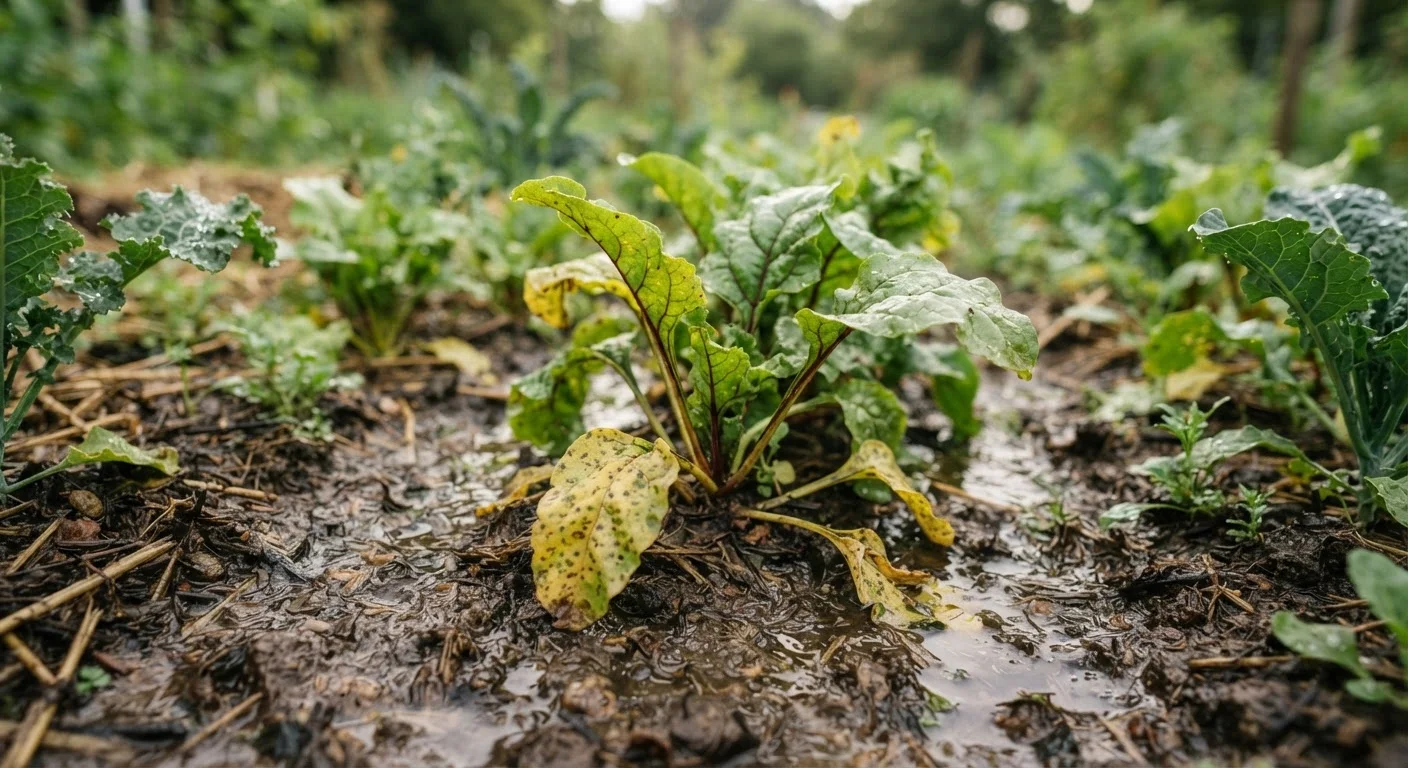
Photo: AnswersVista.com | Trustworthy Information Every Day editorial
Key Takeaways
- Overwatering is among the most frequent causes of plant death in home gardens.
- Yellowing leaves, soggy soil, and root rot are classic signs you're watering too much.
- Most lawns and garden beds need far less frequent watering than homeowners assume.
- Watering deeply and infrequently encourages stronger, drought-resistant root systems.
- Soil type, plant variety, and season all determine the right watering schedule.
The Instinct to Water More Is Often Wrong
For many homeowners, extra water feels like extra care. A struggling plant prompts another pass with the hose. A dry-looking lawn gets a longer sprinkler run. The instinct is understandable - water is fundamental to plant life. But applying more than the soil and roots can absorb doesn't help; it actively harms.
Roots need both water and oxygen to function. When soil stays saturated, air pockets fill with water and roots begin to suffocate. The result is root rot - a condition that mimics drought stress on the surface, which then prompts even more watering. Understanding this cycle is the first step to breaking it.
If you're investing effort into your lawn's foundation, consider pairing better watering habits with practices like lawn aeration, which can improve drainage and root access to oxygen over time.
Overwatering Can Kill Plants Faster Than Drought
Common Overwatering Mistakes - and How to Avoid Them
Most overwatering problems stem from a handful of recurring errors. Recognizing them is the fastest way to correct course before plants suffer lasting damage.
Watering on a fixed daily schedule regardless of weather or soil conditions.
Watering shallowly and frequently instead of deeply and less often.
Treating all plants in a bed or lawn with the same watering amount.
Ignoring soil type when setting a watering schedule.
Watering at the wrong time of day, such as in the late evening.
Don't Confuse Wilting With Thirst
Building Smarter Watering Habits
Effective watering is less about volume and more about timing, depth, and observation. A few consistent habits make a significant difference.
50%
Of residential irrigation water wasted
The U.S. Environmental Protection Agency estimates that roughly half of residential outdoor water use is wasted due to inefficiency, including overwatering and poor timing.
6-8 inches
Target soil depth for deep watering
Horticultural guidelines generally recommend watering to a depth of six to eight inches to promote deep root establishment in lawns and garden beds.
- Use a rain gauge or smart controller. Basic rain gauges cost just a few dollars and remove the guesswork from post-rain watering decisions. Smart irrigation timers can adjust automatically based on local weather data.
- Mulch garden beds. A two- to three-inch layer of organic mulch dramatically slows surface evaporation, meaning soil stays moist longer between waterings.
- Consider your plant choices. Plants that are native or adapted to your region naturally require less supplemental water. Our article on native plants and their practical benefits explains what to look for before planting.
- Observe before you water. Spend a moment checking soil moisture and looking at foliage condition before turning on any irrigation. Make it part of your routine rather than a reaction to visual guessing.
For challenging growing conditions - particularly hot, dry summers - see our advice on keeping a productive garden through drought and heat. The strategies there complement better watering discipline year-round.
The content provided on our blog site traverses numerous categories, offering readers valuable and practical information. Readers can use the editorial team’s research and data to gain more insights into their topics of interest. However, they are requested not to treat the articles as conclusive. The website team cannot be held responsible for differences in data or inaccuracies found across other platforms. Please also note that the site might also miss out on various schemes and offers available that the readers may find more beneficial than the ones we cover.