
Native Plants and the Practical Case for Growing Them

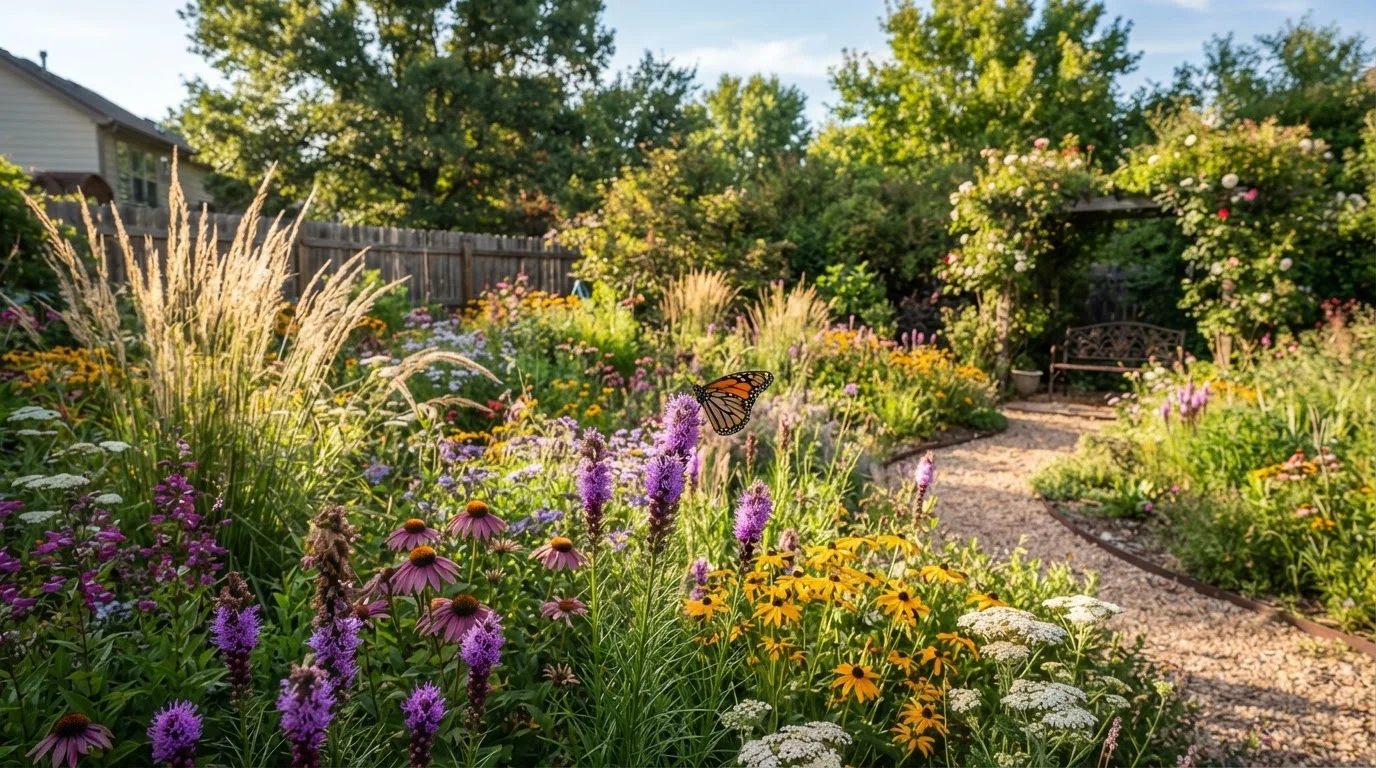
Photo: AnswersVista.com | Trustworthy Information Every Day editorial
Key Takeaways
- Native plants are adapted to local soils and climate, often requiring less water and fertilizer once established.
- They support local pollinators and wildlife in ways that many ornamental plants cannot.
- Upfront costs and a limited establishment window can make the first year or two more demanding.
- "Native" is regional - a plant native to one part of the U.S. may not be native to your area.
- A mixed planting approach often works well for homeowners transitioning from conventional landscaping.
Lower water needs once established
Native plants adapted to local rainfall patterns typically require far less supplemental irrigation than non-native ornamentals after their first one to two seasons in the ground.
Reduced fertilizer and pesticide inputs
Because they evolved with local soils and pest populations, native plants generally need fewer chemical interventions to stay healthy - saving money and reducing runoff into local waterways.
Strong support for local pollinators and wildlife
Many native bees, butterflies, and birds depend on specific native plant species for food and habitat - relationships that non-native ornamentals typically cannot replicate.
Greater long-term resilience to local conditions
Native plants are built for your region's temperature extremes, soil composition, and seasonal shifts, making them more likely to thrive without intensive intervention over the long run.
Potential to reduce lawn maintenance area
Replacing sections of high-maintenance turf with native groundcovers or meadow plantings can meaningfully cut mowing, edging, and watering time over a season.
Demanding establishment phase in years one and two
Young native plants need regular monitoring, weed management, and careful watering until their root systems are deep enough to access moisture independently - this period requires real attention.
Upfront cost can be higher than common annuals
Regionally appropriate native plants, especially locally grown nursery stock, can carry a higher purchase price than widely produced ornamentals, though they generally cost less over time.
Limited availability at mainstream garden centers
Truly local native species may not be stocked at large retail nurseries, requiring homeowners to seek out specialty native plant nurseries or plant society sales.
Naturalistic appearance can conflict with HOA standards
Some homeowner associations have rules about plant height or "weed" species that can inadvertently restrict native plantings, making it important to check local guidelines before investing.
Nativity claims on plant tags are often imprecise
A plant labeled "native" may be native to a broad region rather than your specific state or county, so independent verification through local extension resources is advisable.
What Makes a Plant 'Native'?
The term native plant refers to species that evolved naturally in a specific geographic region over thousands of years - without human introduction. They developed alongside local soils, rainfall patterns, temperature swings, insects, and wildlife. This co-evolution is the foundation of nearly every practical benefit native plants offer.
What catches many homeowners off guard is that nativity is highly regional. A coneflower native to the tallgrass prairies of the Midwest isn't automatically native to the Mid-Atlantic or the Pacific Northwest. Before selecting plants, it's worth consulting your state's native plant society or your local cooperative extension service, which can identify species appropriate to your county or ecoregion. Planting regionally appropriate natives - rather than just broadly marketed ones - makes a meaningful difference in outcomes.
The Real Advantages of Native Plants
The practical case for native plants is grounded in how they interact with their environment - not just in abstract ecological terms, but in ways that directly affect your weekend workload and utility bills.
Lower water needs once established
Native plants adapted to local rainfall patterns typically require far less supplemental irrigation than non-native ornamentals after their first one to two seasons in the ground.
Reduced fertilizer and pesticide inputs
Because they evolved with local soils and pest populations, native plants generally need fewer chemical interventions to stay healthy - saving money and reducing runoff into local waterways.
Strong support for local pollinators and wildlife
Many native bees, butterflies, and birds depend on specific native plant species for food and habitat - relationships that non-native ornamentals typically cannot replicate.
Greater long-term resilience to local conditions
Native plants are built for your region's temperature extremes, soil composition, and seasonal shifts, making them more likely to thrive without intensive intervention over the long run.
Potential to reduce lawn maintenance area
Replacing sections of high-maintenance turf with native groundcovers or meadow plantings can meaningfully cut mowing, edging, and watering time over a season.
70%
Of U.S. landscaping water used outdoors
The U.S. Environmental Protection Agency estimates that roughly 70% of residential water use in some regions goes to outdoor landscaping - a figure native plants are well positioned to reduce.
4,000+
Native bee species in North America
The USDA estimates there are more than 4,000 native bee species in North America, many of which depend on specific native plant genera that common ornamentals cannot replace.
Once established, native plants generally need less supplemental watering than non-adapted ornamentals, because their root systems are tuned to local rainfall cycles. This is particularly relevant during drought-prone summers - see tips for managing your garden through heat and drought if water stress is a recurring challenge in your yard.
Native plants also tend to resist local pests and diseases more effectively than exotic species, reducing or eliminating the need for pesticide applications. Their relationship with native soil microbiomes means they're better equipped to absorb nutrients without heavy fertilization.
Honest Limitations to Keep in Mind
No gardening approach is without trade-offs, and native plants are no exception. Understanding the real limitations helps you plan realistically rather than feel caught off guard.
Demanding establishment phase in years one and two
Young native plants need regular monitoring, weed management, and careful watering until their root systems are deep enough to access moisture independently - this period requires real attention.
Upfront cost can be higher than common annuals
Regionally appropriate native plants, especially locally grown nursery stock, can carry a higher purchase price than widely produced ornamentals, though they generally cost less over time.
Limited availability at mainstream garden centers
Truly local native species may not be stocked at large retail nurseries, requiring homeowners to seek out specialty native plant nurseries or plant society sales.
Naturalistic appearance can conflict with HOA standards
Some homeowner associations have rules about plant height or "weed" species that can inadvertently restrict native plantings, making it important to check local guidelines before investing.
Nativity claims on plant tags are often imprecise
A plant labeled "native" may be native to a broad region rather than your specific state or county, so independent verification through local extension resources is advisable.
The establishment phase - typically the first one to two seasons - is the most labor-intensive period. Young native plants need consistent moisture and some weed pressure management while their root systems develop. Resist the temptation to over-irrigate; overwatering is one of the most common mistakes during this phase and can actually slow root development.
Visual expectations are another honest consideration. Mature native plantings often look deliberately naturalistic, which some neighbors and HOAs may interpret as neglected. Strategic edging, defined borders, and a few traditional focal plants can help communicate intention without sacrificing the ecological value of the planting.
Planning a Native Plant Transition
Most successful native gardens aren't built all at once. A phased approach - starting with one bed or border - lets you observe plant performance in your specific conditions before committing to larger areas.
Check Local Nativity Before You Buy
When selecting plants, prioritize a mix of bloom times so the garden provides food sources for pollinators across the growing season, not just in spring. Consider layering plants by height and structure: groundcovers, mid-height perennials, and taller shrubs or grasses work together to create habitat and visual interest simultaneously.
If you're also growing food, native plants can complement a kitchen garden well - native flowering plants attract the beneficial insects that support vegetable pollination. Our guide to starting a vegetable garden from the ground up covers site planning basics that pair naturally with a native border alongside it.
For homeowners interested in a lower-maintenance overall landscape, combining native plantings with smart design strategies is worth exploring - low-maintenance landscaping ideas offers practical approaches that complement a native plant strategy.
The content provided on our blog site traverses numerous categories, offering readers valuable and practical information. Readers can use the editorial team’s research and data to gain more insights into their topics of interest. However, they are requested not to treat the articles as conclusive. The website team cannot be held responsible for differences in data or inaccuracies found across other platforms. Please also note that the site might also miss out on various schemes and offers available that the readers may find more beneficial than the ones we cover.