
Starting a Vegetable Garden from the Ground Up

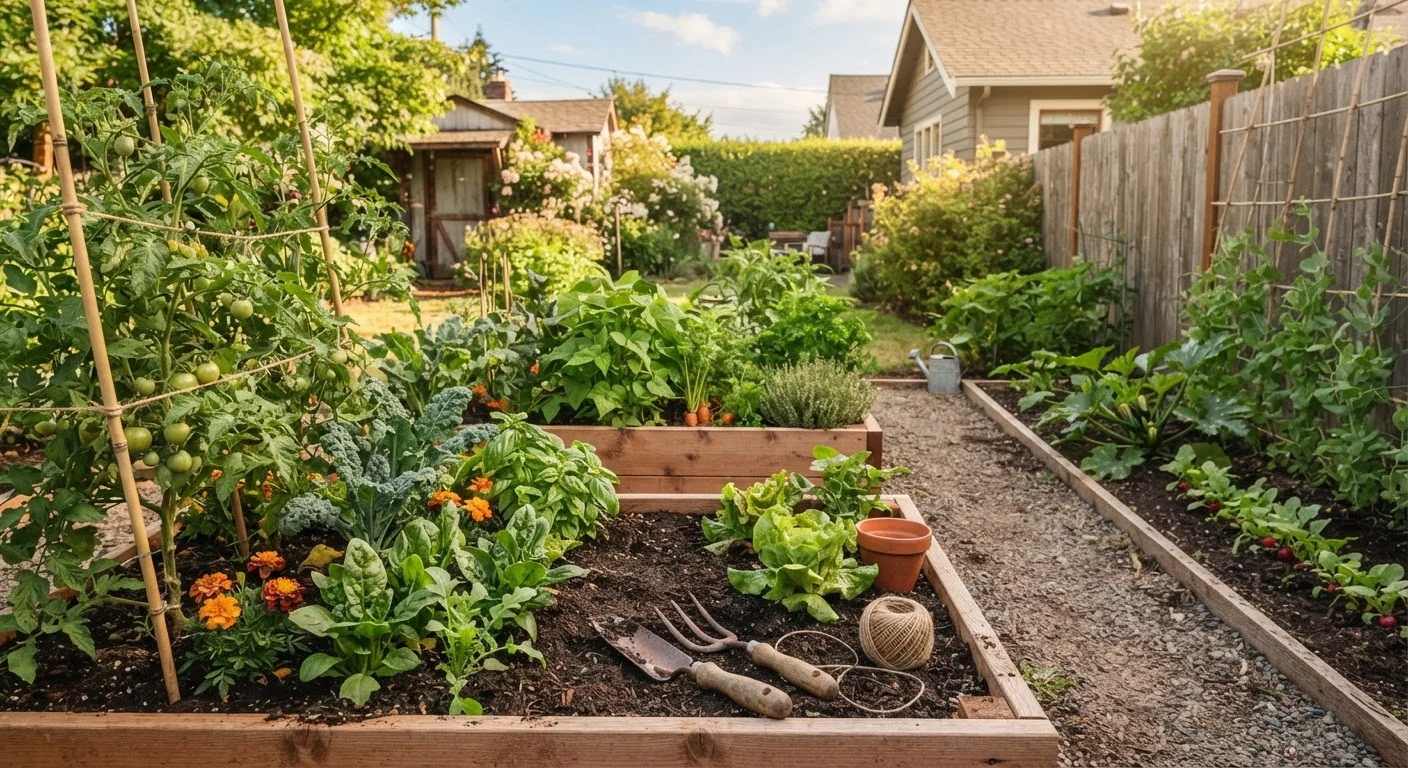
Photo: AnswersVista.com | Trustworthy Information Every Day editorial
Key Takeaways
- Vegetables need at least six hours of direct sunlight daily - site selection is your most important first decision.
- Healthy, well-draining soil with balanced pH (6.0-7.0) is the foundation of a productive vegetable garden.
- Starting small with easy crops like lettuce, radishes, and beans reduces overwhelm and builds real skills.
- Planting schedules should be anchored to your local last frost date, not the calendar date.
- Consistent watering at the root zone and early weed removal prevent the most common beginner setbacks.
- Raised beds offer better drainage and soil control - especially valuable when native soil is poor or compacted.
Choosing the Right Spot
The single biggest factor in vegetable garden success isn't what you plant - it's where you plant it. Most vegetables require a minimum of six hours of direct sunlight each day, with eight hours being ideal for fruiting crops like tomatoes, peppers, and cucumbers. Before you dig a single hole, spend a day observing your yard and noting which areas receive the most unobstructed sun.
Beyond light, consider these practical factors:
- Access to water: Choose a spot within reach of a hose or irrigation source. Hauling water by hand to a distant garden bed becomes a real deterrent to consistent care.
- Proximity to trees: Large trees compete with vegetable roots for moisture and nutrients, and their canopy blocks light. Keep beds at least 10-15 feet from mature tree canopies when possible.
- Drainage: Avoid low-lying areas where water pools after rain. Vegetable roots need oxygen, and waterlogged soil drowns them quickly.
- Level ground: A reasonably flat surface prevents soil and nutrients from washing downhill during heavy rain.
If your yard's natural soil is compacted, rocky, or shaded, don't be discouraged. A raised bed structure can let you garden successfully almost anywhere. See our side-by-side comparison of raised beds and in-ground planting to decide which approach fits your yard and goals.
Understanding and Preparing Your Soil
Good soil is the foundation of every productive vegetable garden. Vegetables perform best in loose, well-draining soil with a pH between 6.0 and 7.0. Outside that range, plants can't absorb nutrients properly even if those nutrients are present in the soil.
pH
A scale from 0-14 that measures how acidic or alkaline your soil is. Most vegetables grow best in slightly acidic to neutral soil, around pH 6.0-7.0.
Organic matter
Decomposed plant and animal material - like compost or aged manure - that improves soil structure, drainage, and nutrient availability.
Amendment
Any material added to soil to improve its physical or chemical properties, such as compost, lime, or sulfur.
Sheet mulching
A no-dig technique where cardboard or newspaper is laid over grass or weeds and covered with compost or soil to smother vegetation without tilling.
Last frost date
The average calendar date in your area after which freezing temperatures are unlikely for the season - used to time planting of cold-sensitive crops.
Bolting
When a plant shifts energy from producing leaves or roots into producing flowers and seeds, usually triggered by heat or long days. Bolted greens often taste bitter.
Before your first season, invest in a basic soil test. Many county cooperative extension offices offer affordable testing, and the results will tell you your soil's pH, organic matter level, and key nutrient gaps. This takes the guesswork out of amendments.
Once you know what your soil needs, here's how to prepare a new bed:
- Clear the area: Remove existing grass, weeds, and debris. For stubborn grass, consider smothering it with cardboard or several layers of newspaper several weeks in advance - a technique called sheet mulching.
- Loosen the soil: Use a garden fork or tiller to break up compaction to a depth of 10-12 inches. Avoid working soil when it's saturated, which damages its structure.
- Add organic matter: Work in 2-4 inches of compost to improve drainage in clay soils and moisture retention in sandy soils. Finished compost also feeds soil microbes that support plant health. See our full guide on composting at home for everything from building a pile to applying finished compost.
- Adjust pH if needed: Lime raises pH in acidic soils; sulfur lowers it in alkaline soils. Follow soil test recommendations carefully.
Deciding What and How to Plant
For your first season, restraint is a strategy. A small, well-managed garden almost always outproduces a large, neglected one. Start with four to six crops that are known to be forgiving for beginners.
Start Smaller Than You Think You Need To
Good starter crops include:
- Lettuce and salad greens: Fast-growing, harvest-and-come-again, and tolerant of light shade.
- Radishes: Ready to harvest in as little as 25 days - a satisfying early win.
- Green beans (bush variety): Reliable, low-maintenance, and highly productive in small spaces.
- Zucchini: Grows vigorously with little attention, though give it plenty of room.
- Cherry tomatoes: More forgiving than large-fruiting varieties and prolific producers.
You'll also face a choice between starting from seed or transplanting seedlings purchased from a garden center. Seeds are less expensive and offer more variety but require additional weeks of indoor growing time before the last frost. Transplants let you skip that step and are particularly practical for slow-starting crops like tomatoes and peppers.
If you're weighing planting formats, our article on raised beds vs. in-ground planting walks through the practical tradeoffs for soil control, drainage, and accessibility.
Building a Simple Planting Schedule
Timing is everything in vegetable gardening, and the key anchor point is your local last frost date - the average date after which freezing temperatures are unlikely in your area. You can find this date through the USDA Plant Hardiness Zone resources or your local cooperative extension office.
Use your last frost date to build a simple two-category schedule:
- Cool-season crops (lettuce, spinach, peas, broccoli, radishes): Plant these 4-6 weeks before your last frost date. They thrive in cooler temperatures and bolt - going to seed and turning bitter - once summer heat arrives.
- Warm-season crops (tomatoes, peppers, cucumbers, squash, beans): Plant these after your last frost date has passed and nighttime temperatures stay consistently above 50°F.
If you're starting warm-season crops from seed indoors, count backward from your last frost date: most need 6-8 weeks of indoor growing before transplanting outside. Mark these dates on a calendar at the start of the season so nothing catches you off guard.
A well-prepared outdoor space also sets up other garden projects for success. Our spring lawn prep checklist covers complementary early-season tasks that keep your entire yard in good shape alongside your new vegetable beds.
Ongoing Care: Watering, Weeding, and Feeding
Once your garden is planted, three habits determine whether it thrives: consistent watering, early weed control, and occasional feeding.
Overwatering Is as Harmful as Underwatering
Watering
Most vegetables need approximately one inch of water per week. Water deeply and less frequently rather than shallowly and daily - deep watering encourages roots to grow downward, making plants more resilient during dry spells. Water at the base of plants in the morning so foliage dries before evening, which reduces fungal disease risk. A simple rain gauge tells you how much nature has contributed each week.
Weeding
Weeds compete directly with your vegetables for water, nutrients, and light. The most effective strategy is to pull them early and often - young weeds come out easily and haven't yet set seed. A 2-3 inch layer of organic mulch (straw, shredded leaves, or wood chips) around your plants suppresses weeds while retaining soil moisture.
Feeding
If you amended your soil with compost before planting, you may not need supplemental fertilizer for the first season. Heavy feeders like tomatoes and corn benefit from additional nutrients mid-season. A general-purpose balanced fertilizer applied according to package directions is a safe, straightforward approach. Avoid over-fertilizing with nitrogen, which produces lush foliage at the expense of fruit development.
Keeping your garden space organized from the start pays dividends throughout the season. The same principles that help with home organization - starting small, working in zones, and building consistent habits - apply surprisingly well to garden management too.
Frequently Asked Questions
The content provided on our blog site traverses numerous categories, offering readers valuable and practical information. Readers can use the editorial team’s research and data to gain more insights into their topics of interest. However, they are requested not to treat the articles as conclusive. The website team cannot be held responsible for differences in data or inaccuracies found across other platforms. Please also note that the site might also miss out on various schemes and offers available that the readers may find more beneficial than the ones we cover.