
Raised Beds vs. In-Ground Planting: A Side-by-Side Look

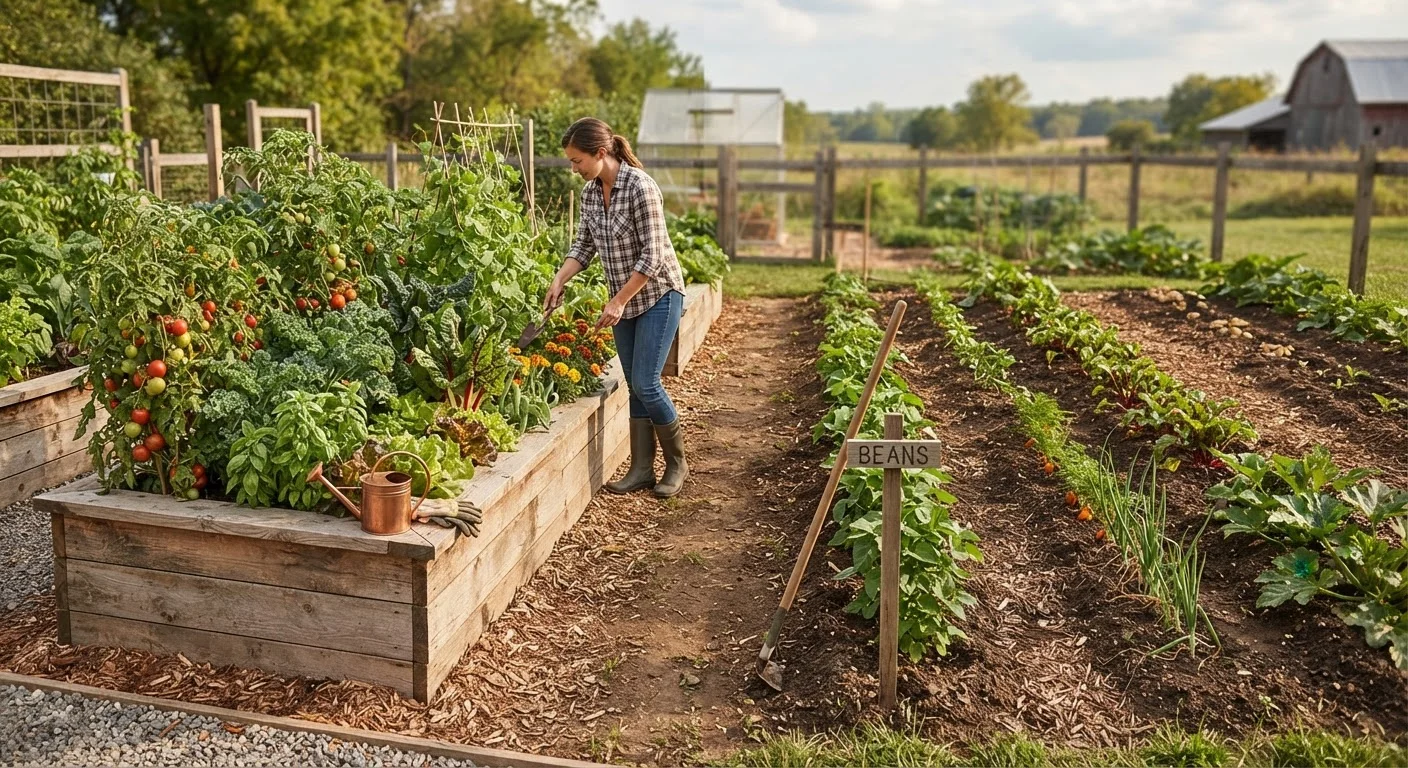
Photo: AnswersVista.com | Trustworthy Information Every Day editorial
Key Takeaways
- Raised beds offer superior drainage and soil control, but require meaningful upfront investment in materials and fill.
- In-ground planting costs less to start but may require soil amendment work before plants can thrive.
- Raised beds warm faster in spring, often extending the growing season by several weeks.
- Large-scale vegetable or flower gardens are generally more practical and affordable as in-ground plots.
- Accessibility and physical comfort strongly favor raised beds for gardeners who struggle with bending or kneeling.
- Both approaches benefit from regular composting and appropriate mulching practices.
Soil Quality and Control
One of the most significant differences between these two approaches comes down to what your plants are actually growing in. With in-ground planting, you work with the soil you have. In regions with rich, well-draining loam, that's a genuine advantage. But many American yards sit on compacted clay, sandy fill, or soil that has been stripped of organic matter during construction. Amending in-ground soil takes time and repeated effort - often multiple growing seasons.
Raised beds flip this equation entirely. You fill them with a custom mix - typically a blend of topsoil, compost, and materials like aged bark or perlite - tailored to your specific crops. This gives you immediate control over pH, nutrient levels, and drainage. If you're growing acid-loving blueberries in one bed and alkaline-preferring herbs in another, you can manage each independently.
For gardeners looking to deepen their soil improvement practice, our guide on composting at home explains how to build and apply finished compost to either setup effectively.
| Criterion | Raised Beds | In-Ground Planting |
|---|---|---|
| Upfront cost | Higher (materials + fill soil) | Lower (minimal setup needed) |
| Soil control | Full - custom mix per bed | Limited to native soil + amendments |
| Drainage | Excellent - drains freely | Varies by native soil type |
| Spring warmup speed | Faster - extends season | Slower in cold climates |
| Moisture retention | Lower - may need more watering | Higher - better in dry summers |
| Weed pressure | Generally lower | Typically higher |
| Scalability | Incremental, higher cost per unit | Easy and inexpensive to expand |
| Accessibility | Excellent - adjustable height | Requires ground-level work |
Cost, Setup, and Long-Term Investment
In-ground gardening has a clear cost advantage upfront. Assuming your soil is workable, getting started may require little more than a shovel, compost, and seeds. Even when amendment is needed, the expense is modest compared to raised bed construction.
Raised beds carry real upfront costs: lumber or alternative materials (such as galvanized steel or composite boards), hardware, and bulk quantities of quality fill soil. A single 4×8 foot bed filled to 12 inches can require significant material expense, and most productive kitchen gardens need multiple beds. However, raised beds also reduce long-term labor - less weeding, no tilling, and fewer pest intrusions from soil-dwelling insects.
Over a five-to-ten year horizon, the calculus shifts. A well-built raised bed with durable materials pays back its cost in reduced inputs and consistent yields. In-ground plots may require ongoing investments in soil amendments, mulch, and weed management. See our mulch types guide to understand how mulching strategies differ between the two setups.
6-8 weeks
Earlier spring planting in raised beds
University extension research has generally found that raised bed soil can warm several weeks ahead of in-ground plots in northern climates, allowing earlier planting.
50-80%
Reduction in weeding time reported
Gardeners using raised beds with quality fill and mulch frequently report significantly less time spent weeding compared to comparable in-ground plots.
3-5 years
Typical payback period for raised bed materials
Home gardening cost analyses generally estimate that durable raised bed materials offset their initial cost within a few growing seasons through reduced inputs.
Drainage, Warmth, and Growing Season
Raised beds drain more freely than in-ground plots by nature of their elevation. This matters most in regions with heavy spring rains or clay soils prone to waterlogging, which can suffocate roots and invite fungal disease. The elevated structure also means the soil warms faster in early spring - sometimes by several weeks - giving cold-climate gardeners a meaningful head start.
In-ground beds retain soil moisture longer, which can be beneficial during dry summers, reducing irrigation needs in drought-prone areas. In very hot climates, in-ground soil's thermal mass can actually protect roots from heat stress that raised beds may experience. Neither drainage profile is universally superior - the right fit depends on your climate, precipitation patterns, and what you're growing.
If you're still deciding what to plant, our perennials vs. annuals overview can help you think through plant selection alongside your bed choice.
Accessibility, Scale, and Who Each Suits Best
Raised beds are the clear winner for gardeners who find ground-level work physically demanding. A bed built at 18-24 inches allows most gardeners to work comfortably seated or while standing with minimal bending. This makes raised beds particularly well-suited to older adults, those managing back or joint conditions, or anyone who wants to garden more comfortably over the long term.
In-ground planting scales naturally and inexpensively. Expanding a raised bed garden means buying more lumber and fill; expanding an in-ground garden means digging out more space. For those wanting to grow vegetables across a substantial area - say, a 20×30 foot plot - in-ground is typically the more practical and affordable route. Starting a vegetable garden from scratch covers site selection and soil prep that applies to both methods. For those drawn to lower-maintenance approaches, low-maintenance landscaping strategies can complement either planting style.
A Note on Soil Contamination
The content provided on our blog site traverses numerous categories, offering readers valuable and practical information. Readers can use the editorial team’s research and data to gain more insights into their topics of interest. However, they are requested not to treat the articles as conclusive. The website team cannot be held responsible for differences in data or inaccuracies found across other platforms. Please also note that the site might also miss out on various schemes and offers available that the readers may find more beneficial than the ones we cover.