
Retail Calendars: Which Categories Tend to Drop in Price and When

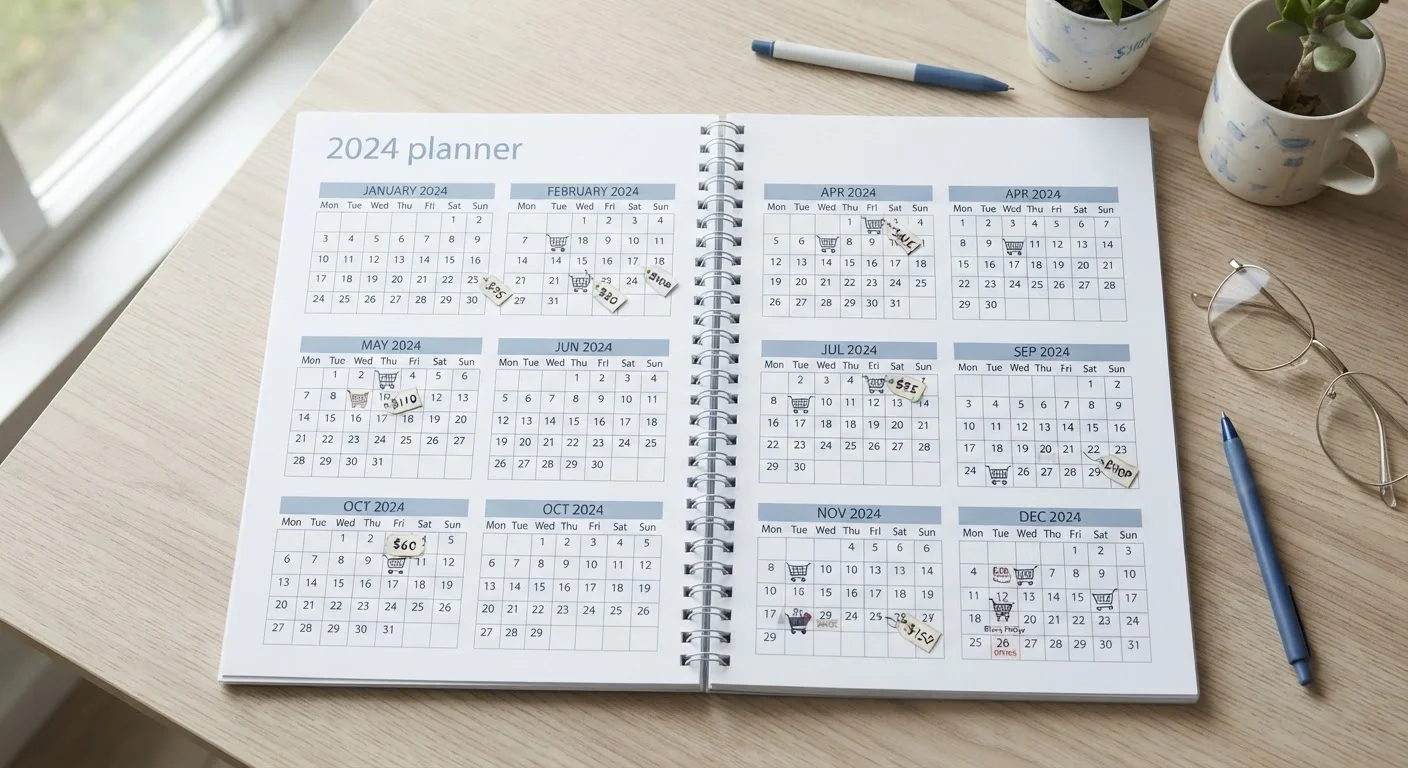
Photo: AnswersVista.com | Trustworthy Information Every Day editorial
Why Retail Pricing Follows a Calendar
Retail discounting isn't random. It's driven by a combination of inventory cycles, manufacturer model-year releases, and predictable shifts in consumer demand. Retailers need to move aging stock before new inventory arrives, and that pressure creates recurring windows when prices reliably soften across specific categories.
Understanding these patterns won't guarantee the lowest price on any given item - market conditions vary, and no pricing cycle is perfectly uniform across all retailers. But knowing the general timing gives you a meaningful advantage when planning larger purchases. Think of it less like a guarantee and more like reading the weather: directionally useful, not infallible.
For a quick primer on the vocabulary you'll encounter - terms like clearance, markdown, and rollback - see our Shopper's Glossary before diving in.
Category-by-Category Discount Timing
Appliances (Major): Large appliances - refrigerators, ranges, dishwashers - typically see their steepest discounts in September and October, when manufacturers release updated models. Retailers discount prior-year models to clear floor space. Holiday weekends (Memorial Day, Labor Day) also produce reliable dips.
Electronics: Consumer electronics follow model-year cycles closely. New televisions typically debut at trade shows early in the year, making late winter and spring a historically softer period for prior-year TV models. The November holiday window remains the most widely recognized discount period for electronics broadly, though it's worth noting that not every "sale" price during high-traffic periods beats what's available at quieter times of year. Understanding how sale pricing works psychologically can help you evaluate whether a promoted discount is genuinely favorable.
Clothing and Apparel: Apparel follows fashion seasons more than the Gregorian calendar. End-of-season clearance is the most reliable discount window: winter clothing discounts typically accelerate in January and February, while summer apparel clears in August. Transitional months (March-April, September-October) often see the deepest markdowns on prior-season inventory.
Outdoor and Patio Furniture: Demand peaks in late spring and early summer, which means prices peak then too. August through September - when retailers need the floor space for holiday merchandise - is when outdoor furniture prices tend to fall most significantly.
Fitness Equipment: The January surge in fitness interest typically keeps prices elevated through early winter. Historically, late spring (April-May) sees softer demand and more competitive pricing as initial New Year motivation wanes.
Bedding and Linens: Major white sales traditionally run in January and sometimes August. These categories don't follow dramatic model-year cycles, so timing is less about inventory pressure and more about established promotional calendars retailers have maintained for decades.
Model-Year Cycle
The annual schedule by which manufacturers introduce updated product versions. When a new model arrives, retailers discount prior-year inventory to clear shelf and floor space.
End-of-Season Clearance
Markdowns applied when seasonal demand ends and retailers need to move category-specific inventory before it becomes unsellable at full price.
Promotional Calendar
The planned schedule of sale events a retailer uses throughout the year - including holiday weekends, seasonal events, and annual "sale" traditions - to drive traffic and move inventory.
Inventory Pressure
The operational need for retailers to sell existing stock before new shipments arrive. Higher inventory pressure typically produces deeper discounts.
How to Use This Information Without Overspending
Knowing when prices tend to drop is valuable - but only if it doesn't lead to purchases you wouldn't otherwise make. The goal is to time a planned purchase better, not to create new ones. Retailers are skilled at using promotional calendars to generate urgency, and pricing illusions like anchoring can make a mediocre deal feel significant.
A practical approach: identify a category you genuinely need, research a typical price range before any sale begins, and set a calendar reminder for the expected discount window. This way you're comparing a promoted price against an independent baseline - not against a potentially inflated "original" price shown on the tag.
Also be aware that waiting for the ideal window has a real cost if a current item fails or a need is pressing. Discount timing is a tool for flexible purchases, not a rule that should override practical necessity. For a broader look at how spending habits interact with deal-seeking behavior, patterns that quietly drain budgets are worth reviewing alongside any savings strategy.
The content provided on our blog site traverses numerous categories, offering readers valuable and practical information. Readers can use the editorial team’s research and data to gain more insights into their topics of interest. However, they are requested not to treat the articles as conclusive. The website team cannot be held responsible for differences in data or inaccuracies found across other platforms. Please also note that the site might also miss out on various schemes and offers available that the readers may find more beneficial than the ones we cover.