
Synthetic vs. Conventional Oil: Understanding the Real Differences

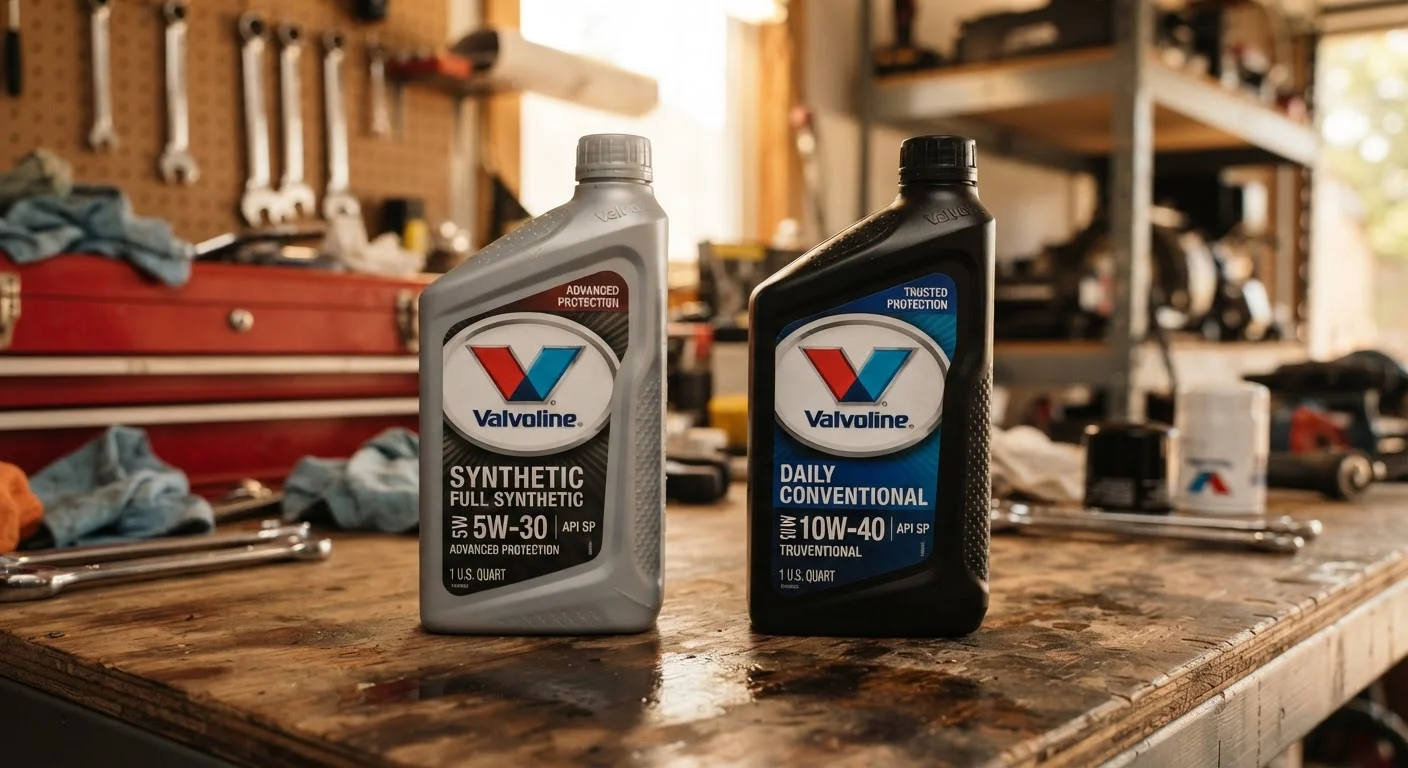
Photo: AnswersVista.com | Trustworthy Information Every Day editorial
Key Takeaways
- Synthetic oil is chemically engineered for uniform molecule size; conventional oil is refined directly from crude petroleum.
- Synthetic oil typically lasts longer between changes - often 7,500 to 15,000 miles versus 3,000 to 5,000 for conventional.
- Most modern vehicles and turbocharged engines are engineered to require synthetic oil.
- Conventional oil costs less per quart but may result in more frequent changes over time.
- Your owner's manual is the definitive authority on which oil type your vehicle requires.
Where Each Oil Comes From
The most fundamental difference between synthetic and conventional motor oil is how each is made. Conventional oil is refined from crude petroleum extracted from the ground. The refining process removes many impurities, but the resulting product still contains naturally occurring molecules of varying sizes and shapes - a structural inconsistency that affects how it performs under stress.
Synthetic oil, by contrast, is chemically synthesized - typically starting from base molecules that are built up or modified in a laboratory setting. This process allows engineers to create oil with a highly uniform molecular structure, precisely tailored for lubrication performance. The result is a product with fewer impurities and more predictable behavior across a range of operating conditions.
Some products labeled as "synthetic blend" fall in between: they combine a synthetic base with conventional oil, offering a middle ground in both performance and cost. For a deeper look at what those differences mean once oil is actually inside a running engine, see our companion article on engine-level differences.
Performance Differences That Actually Matter
In real-world driving conditions, the chemical differences between these oils translate into measurable performance gaps in several areas.
| Criterion | Synthetic Oil | Conventional Oil |
|---|---|---|
| Origin | Chemically engineered | Refined from crude petroleum |
| Molecular consistency | Highly uniform | Variable, naturally occurring |
| Typical change interval | 7,500-15,000 miles | 3,000-5,000 miles |
| Cold-start performance | Flows faster in cold temps | Slower to flow when cold |
| Heat resistance | High thermal stability | Degrades faster under heat |
| Cost per quart | Higher upfront cost | Lower upfront cost |
| Required by modern engines | Yes, for most new vehicles | Common in older engines |
Temperature resilience is one of the clearest advantages of synthetic oil. It flows more readily at cold temperatures - reducing the critical seconds of metal-on-metal contact during a cold start - and maintains stable viscosity at high operating temperatures, particularly important in turbocharged engines where oil temperatures can spike rapidly.
Oxidation and degradation also differ significantly. Conventional oil breaks down faster as heat and combustion byproducts take their toll. Synthetic oil resists this breakdown longer, which is why synthetic-specified vehicles often carry change intervals of 7,500 to 15,000 miles, while conventional oil is typically changed every 3,000 to 5,000 miles. Understanding viscosity grades and how change intervals are determined is covered in detail in our guide to engine oil viscosity and change intervals.
Cost: Sticker Price vs. Total Cost of Ownership
Conventional oil costs noticeably less per quart than synthetic - often roughly half the price at the point of purchase. For drivers who see only that upfront number, conventional looks like the clear winner.
A Note on Oil Life Monitoring Systems
However, the cost comparison becomes more nuanced when you factor in change frequency. If synthetic oil allows you to go twice as long between changes, the total annual spend may be comparable - or synthetic may even come out ahead once labor is included. The math depends on your specific vehicle, driving habits, and local service costs. Neither option is universally "cheaper" without doing that calculation for your situation.
When evaluating whether a cost difference reflects a meaningful quality gap - or mostly marketing - our article on generic vs. name-brand products offers a useful framework for thinking it through.
Which Oil Does Your Vehicle Actually Need?
The clearest answer to this question isn't found in advertising - it's in your owner's manual. Manufacturers specify the oil type and viscosity grade that their engine is designed to run on, based on clearances, temperatures, and wear expectations engineered into that specific powertrain.
Most vehicles built in the last decade - and virtually all turbocharged engines - call for full synthetic oil. Using conventional oil in an engine that requires synthetic can accelerate wear and potentially void warranty coverage. The reverse (using synthetic in an engine designed for conventional) is generally safe, though it may not provide meaningful additional benefit in older, simpler engines.
High-mileage vehicles present a separate consideration: some drivers of older engines find that oils specifically formulated for high-mileage use - which often contain seal conditioners - address leaks or consumption issues that standard synthetic or conventional oils don't. If you're deciding how to handle oil changes going forward, our breakdown of DIY versus shop oil changes can help you think through the process and cost trade-offs.
Bottom line: follow your owner's manual, pay attention to your vehicle's oil life monitoring system if it has one, and consult a qualified mechanic if you're unsure which oil specification applies to your engine.
The content provided on our blog site traverses numerous categories, offering readers valuable and practical information. Readers can use the editorial team’s research and data to gain more insights into their topics of interest. However, they are requested not to treat the articles as conclusive. The website team cannot be held responsible for differences in data or inaccuracies found across other platforms. Please also note that the site might also miss out on various schemes and offers available that the readers may find more beneficial than the ones we cover.