
Reading a Nutrition Facts Label Without the Confusion

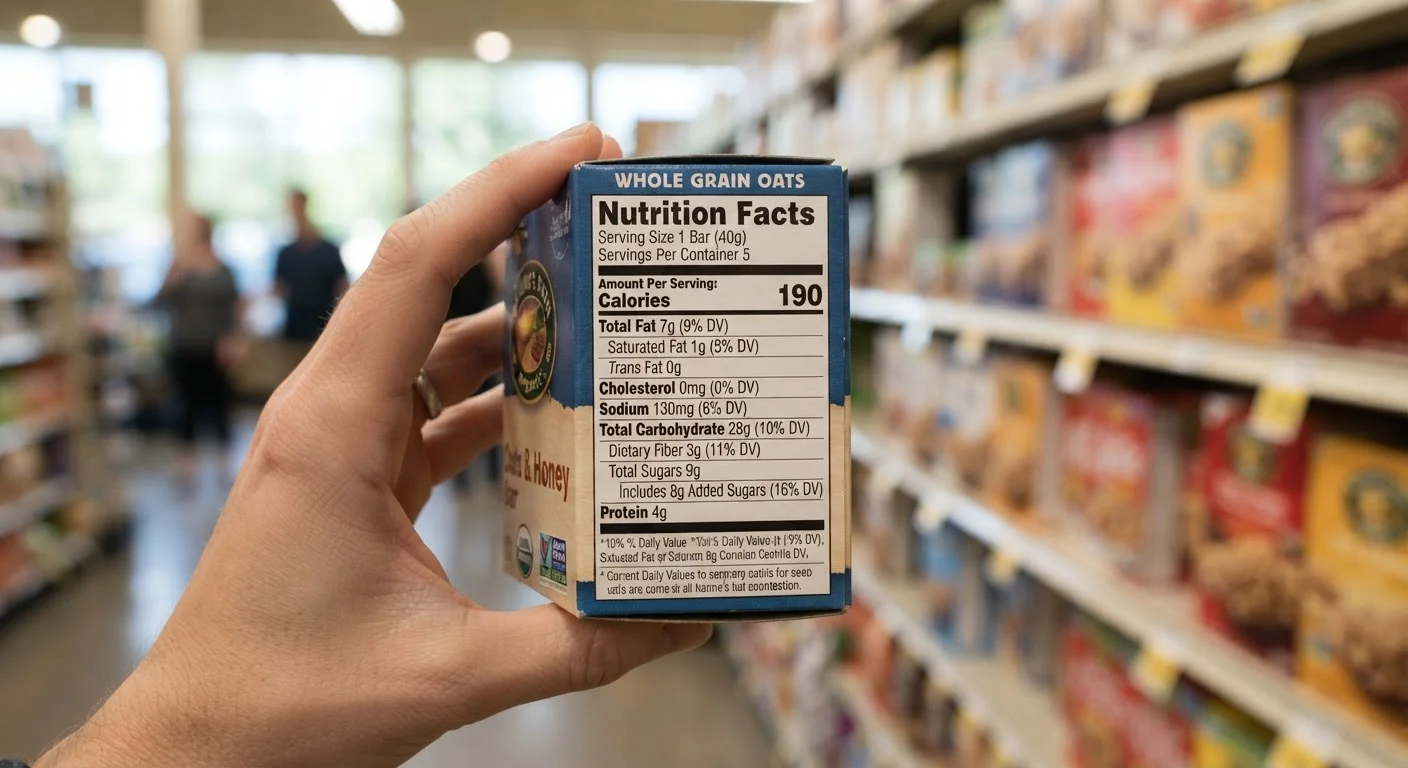
Photo: AnswersVista.com | Trustworthy Information Every Day editorial
Key Takeaways
- Serving size is the foundation of every number on the label - always check it first.
- Percent Daily Value (%DV) shows how a nutrient fits into a 2,000-calorie reference diet.
- Limit saturated fat, sodium, and added sugars; prioritize fiber, vitamins, and minerals.
- Ingredients are listed by weight - the first few dominate the product's composition.
- Labels reflect a standardized format regulated by the FDA, making comparison reliable.
Why the Label Exists - and What It's Actually Telling You
The Nutrition Facts label is a federally standardized panel required by the U.S. Food and Drug Administration (FDA) on most packaged foods and beverages. Its purpose is straightforward: give consumers consistent, comparable nutritional data so they can make informed choices. If you've ever found the label more confusing than clarifying, you're not alone - but the format is more logical than it first appears.
If you're new to thinking about nutrients at all, our beginner's nutrition guide is a solid starting point before diving into label mechanics. Once you have context for what nutrients are and why they matter, the label becomes a genuinely useful tool rather than a wall of numbers.
The Label Format Was Updated in 2020
Step-by-Step: Reading Every Section of the Label
The label is organized from top to bottom in a deliberate order of priority. Following that sequence is the most reliable way to interpret what you're looking at.
Start with Serving Size and Servings Per Container
Every number on the label - calories, fat, sodium, everything - applies to one serving, not the entire package. The serving size reflects amounts people typically eat at one time, based on FDA reference data, not a recommended portion.
Check the servings per container. A bag that appears modest may contain three servings; consuming it in one sitting means tripling every value on the label.
Read the Calories
Calories measure the energy a food provides per serving. This number is displayed prominently and reflects the combined caloric contribution of fat, carbohydrates, and protein in that serving.
Calories are useful context, but they don't capture nutritional quality on their own. A 200-calorie serving of nuts and a 200-calorie serving of a sugar-sweetened snack are nutritionally very different.
Review the Nutrients Section
Below calories, the label lists total fat (broken into saturated and trans fat), cholesterol, sodium, total carbohydrates (broken into dietary fiber and total sugars, with added sugars called out separately), and protein. Vitamins and minerals appear at the bottom.
Each nutrient shows an amount in grams or milligrams alongside a Percent Daily Value (%DV). The %DV tells you how much of that nutrient one serving contributes toward the daily reference amount for an average adult eating 2,000 calories per day.
Check the Ingredient List
The ingredient list appears below the Nutrition Facts panel and is ordered by weight - the ingredient present in the greatest amount is listed first. This means the first three to five ingredients characterize most of what you're eating.
Ingredients include everything added to the product: food components, preservatives, colorings, and flavorings. Longer ingredient lists aren't automatically a red flag, but the composition of those ingredients matters.
Compare Products Using the Same Serving Size
The label's standardized format makes side-by-side comparison reliable - but only when the serving sizes are equivalent. When comparing two products, check that you're looking at the same serving weight (in grams) rather than the labeled serving description, which can differ between brands.
Focus on the nutrients most relevant to your dietary priorities: someone monitoring sodium will weight that column differently than someone focused on fiber intake.
Once you're comfortable reading individual labels, shopping with nutrition in mind becomes much more efficient - you'll know exactly what to scan for before a product goes in your cart.
Nutrients to Watch and Why They Matter
Not all nutrients on the label deserve equal attention. The FDA organizes the label around a public health rationale: nutrients Americans tend to overconsume are listed first so they're easy to notice, and nutrients Americans tend to under-consume are listed below to encourage more of them.
- Saturated fat and sodium: Consistently high intake of these is linked by research to increased risk of cardiovascular and blood pressure concerns. The %DV helps you gauge whether a single serving contributes a little or a lot.
- Added sugars: The label distinguishes added sugars from total sugars - a meaningful difference. Natural sugars in fruit or plain dairy come packaged with fiber or protein; added sugars generally do not. For a deeper look, see our article on added sugar.
- Dietary fiber, Vitamin D, calcium, iron, potassium: These are nutrients the FDA has identified as under-consumed by many Americans. A %DV of 20% or more is generally considered high - a useful signal when scanning labels.
Trans Fat: Zero Doesn't Always Mean Zero
Keep in mind that the label uses a 2,000-calorie daily reference value, which is a standardized baseline - not a prescription. Your individual calorie and nutrient needs vary based on age, sex, activity level, and health status. For questions about your personal nutritional needs, consult a registered dietitian or qualified healthcare provider.
Thinking about how all these nutrients translate to an actual meal? Our guide on what a balanced plate looks like puts label data into practical, everyday context. And if you've ever wondered whether calorie counts alone tell the full story, our look at calories as a tool explores both the utility and the limits of that single figure.
This article is for general informational and educational purposes only and does not constitute medical or dietary advice. Consult a qualified healthcare professional for guidance specific to your health needs.
The content provided on our blog site traverses numerous categories, offering readers valuable and practical information. Readers can use the editorial team’s research and data to gain more insights into their topics of interest. However, they are requested not to treat the articles as conclusive. The website team cannot be held responsible for differences in data or inaccuracies found across other platforms. Please also note that the site might also miss out on various schemes and offers available that the readers may find more beneficial than the ones we cover.