
Vertical Storage vs. Horizontal Storage: Which Approach Works Where

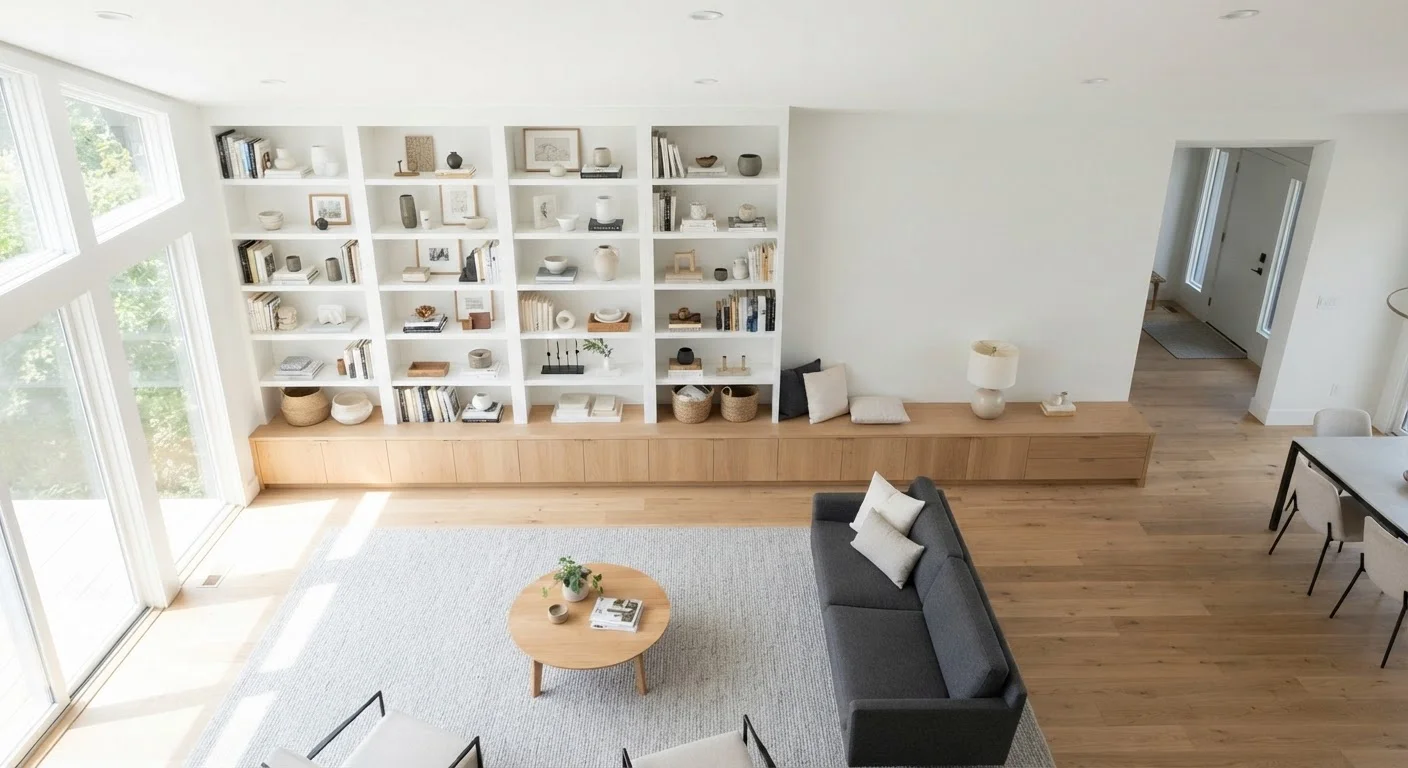
Photo: AnswersVista.com | Trustworthy Information Every Day editorial
Key Takeaways
- Vertical storage works best in rooms with high ceilings and constrained floor space, such as small kitchens or home offices.
- Horizontal storage suits areas where frequent access and ergonomic reach are priorities, like garages and kids' rooms.
- Ceiling height, room function, and how often you access items are the three most important factors in choosing an approach.
- Most rooms benefit from a combination of both - vertical for less-used items, horizontal for everyday access.
- Wall anchoring is essential for tall vertical units; always follow manufacturer weight ratings and local building guidelines.
The Core Difference: Direction Determines Function
Storage is fundamentally about access - getting the right thing at the right moment without effort. Whether you build upward or spread outward shapes not just how much you can store, but how livable a room feels day to day.
Vertical storage uses wall height: shelving towers, stacked cabinets, pegboards, and floor-to-ceiling bookcases. It trades horizontal square footage for cubic volume, which is especially valuable in smaller homes. Horizontal storage spreads across the floor plane: low dressers, wide sideboards, under-bed drawers, and open benches. It keeps everything at arm's level and distributes weight more evenly.
Neither direction is universally superior. The right choice depends on ceiling height, room function, who uses the space, and how frequently you need what's stored there.
| Criterion | Vertical Storage | Horizontal Storage |
|---|---|---|
| Floor space used | Minimal footprint | Larger footprint |
| Ceiling height needed | 8 ft or higher works best | Works at any ceiling height |
| Ease of access | Variable - upper zones need step stool | Consistently easy, waist-to-eye level |
| Weight capacity | Depends on wall anchoring | Generally higher, floor-supported |
| Best for | Small rooms, infrequent items | Heavy items, frequent access |
| Safety considerations | Must be wall-anchored to prevent tipping | Lower tip-over risk, safer for kids |
| Visual effect | Draws eye upward, adds height | Keeps room feeling open and grounded |
Where Vertical Storage Excels
Vertical storage thrives in rooms where floor space is precious and ceiling height offers room to grow. A small kitchen with 9-foot ceilings, for example, can nearly double its cabinet storage by using wall space above standard upper-cabinet height - a zone that most kitchens leave completely unused. Our guide on organizing a small kitchen without losing counter space explores this in detail.
Home offices also benefit strongly from vertical approaches. Floor-to-ceiling shelving consolidates books, files, and supplies without consuming the desk area needed for actual work. In living rooms, tall shelving anchors a wall visually while creating display and storage capacity that a low media console simply cannot match - a point worth considering if you're planning a larger open-concept renovation.
One practical rule: the less frequently you access an item, the higher it can live. Daily-use objects should sit between hip and shoulder height regardless of the overall storage direction you choose.
~30%
Wall space typically unused in average homes
Home organization research consistently finds that wall space above 60 inches is underutilized in most residential interiors, representing significant untapped storage potential.
18-54 in
Ergonomic reach zone for most adults
Occupational ergonomics guidelines identify the range between hip and shoulder height as the primary comfort zone for frequent item retrieval, regardless of storage orientation.
Where Horizontal Storage Works Better
Horizontal storage earns its place in rooms where access frequency, safety, and physical ergonomics matter most. Garages are a prime example - heavy bins of tools, landscaping supplies, and sports gear should sit at waist height or below on wide, reinforced shelving rather than overhead, where managing weight becomes risky. The garage organization guide covers zoning strategies that lean on horizontal layouts for exactly this reason.
Bedrooms often call for horizontal storage too. A long, low dresser keeps clothing accessible without requiring a step stool, and under-bed drawers exploit dead space below sleeping height - a strategy covered in depth in our look at hidden storage solutions.
Rooms used by children or older adults almost always favor horizontal storage. Reaching above shoulder height repeatedly introduces both safety and accessibility concerns that low, wide solutions avoid entirely.
Mixing Both Approaches: How Most Rooms Actually Work
The most functional rooms rarely commit exclusively to one direction. A well-organized pantry, for instance, uses tall shelving for canned goods and seasonal items at upper levels, while keeping a low horizontal shelf at eye level for daily staples and a countertop surface for active prep. That layered approach is what separates a room that looks organized from one that actually functions that way.
When combining both approaches, a useful mental model is to think in three zones: floor-level (horizontal, wide items or rarely accessed), eye-level (whatever you reach for most often, regardless of direction), and overhead (vertical, infrequent items, lighter weights). This framework works across kitchens, bedrooms, home offices, and even garages.
If you're drawn to open shelving as part of your storage mix, consider the trade-offs honestly - open shelving has real upkeep demands that don't always appear in design inspiration photos.
A Note on Wall Anchoring and Safety
The content provided on our blog site traverses numerous categories, offering readers valuable and practical information. Readers can use the editorial team’s research and data to gain more insights into their topics of interest. However, they are requested not to treat the articles as conclusive. The website team cannot be held responsible for differences in data or inaccuracies found across other platforms. Please also note that the site might also miss out on various schemes and offers available that the readers may find more beneficial than the ones we cover.